

















Why do leaves change color in the fall? The science behind nature’s colorful transformation

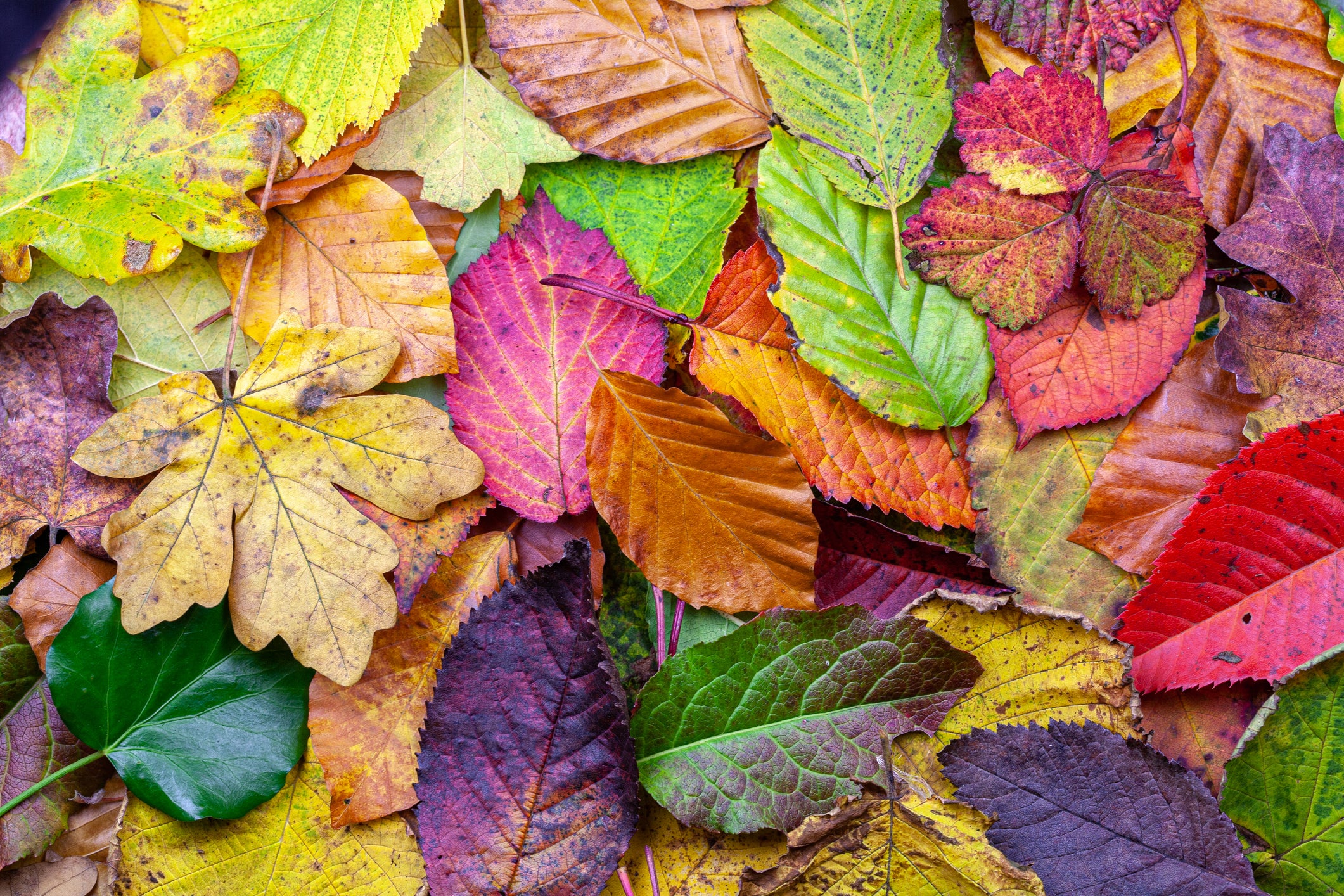
Every fall, trees across the country undergo a colorful transformation, trading their green leaves for brilliant shades of red, orange, yellow and even purple.
But what causes these colors to appear, and why do some trees turn bright red while others become golden yellow?
TIRED OF THE HEAT? HERE'S WHEN OLD FARMER'S ALMANAC SAYS COOLER WEATHER WILL ARRIVE
The answer lies in a combination of natural pigments, changing daylight and weather conditions. Here's a closer look at the science behind each of fall's signature colors.
That picture-perfect moment in fall when the trees become a kaleidoscope of changing colors, is probably what you picture when you imagine the season. What’s harder to picture is that these colors have been secretly hiding among the leaves all along.
BRACE FOR DARKER EVENINGS AS THE ANNUAL SEASONAL CLOCK CHANGE APPROACHES
A leaf is green because of chlorophyll, the primary pigment of those long summer days, soaking up sunlight and turning it into sugar through photosynthesis. During summer, there’s so much chlorophyll that it masks the other colors in the leaf.
Then the days get shorter, the lower sunlight and drop in temperatures tell the trees to start packing for winter, and they start breaking down the chlorophyll kicking off fall’s colorful reveal.
Yellow is typically the first color to show up, and it’s not new. The yellow color comes from Xanthophylls, which acts as chlorophylls' second line of defense, taking in any extra sunlight the plant receives.
The orange color comes from carotenes, the same compound that makes carrots orange. Both colors come from a group called carotenoids, a minor, yet necessary part of the plant photosynthesis process in the warmer months.
Warm, sunny days, followed by chilly fall nights make these colors even more brilliant, outshining the leaves that were grown in the shade.
As fall settles in, purple and red show their brilliance, and they’re the only colors that trees actually make in the fall. As the trees prepare for winter, the veins that nutrients are carried through slowly close off, trapping sugars and other compounds.
NEW JERSEY DRIVERS WARNED AS DEER MATING SEASON SENDS WILDLIFE DARTING ACROSS BUSY ROADS
These trapped sugars slowly become pigments called Anthocyanin, the secret behind that classic red maple leaf. Unfortunately, a cloudy wet fall can wash out these pigments, leaving a duller color.
Finally, the chemistry sets the shade: a more acidic sap turns them red, meanwhile a more alkaline sap pushes them towards purple.
SPOOKY SEASON IS HERE, AND THESE 10 AMERICAN STREETS HAVE CHILLING HISTORIES
Once the chlorophyll and carotenoids break down, all that remains are tannins, giving the season its brown finish. Unlike the other compounds, tannins don’t fade. They’re one of the trees’ defenses, helping protect the buds from winter. The tree seals off the leaves, letting them fall, so the buds can bloom green again in spring.
On your next fall walk, take a second look at the trees. Those colors spent all summer waiting for their moment.
What's Your Reaction?
 Like
0
 Dislike
0
 Love
0
 Funny
0
 Angry
0
 Sad
0
 Wow
0