














Van Gogh’s Starry Night holds a 137-year-old secret that scientists may have finally uncovered

THE TAKEAWAY
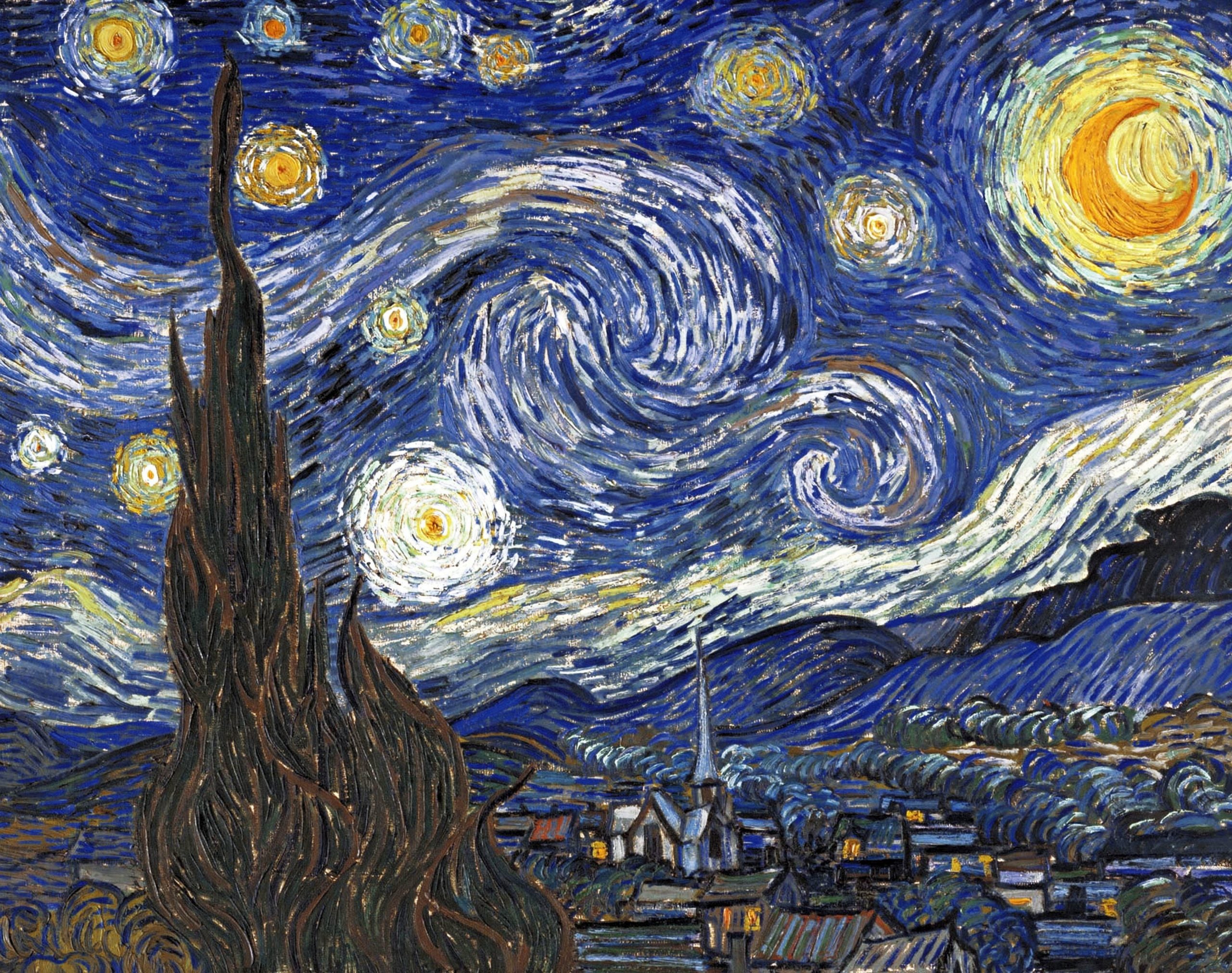
The iconic Starry Night painting by Vincent van Gogh has left artists and astronomers wondering for centuries how he depicted such an astonishing image.
Further research suggests that Van Gogh may have witnessed a celestial event in Saint-Rémy, France, that influenced the painting, rather than creating the scene entirely from his imagination.
MYSTERIOUS 'SPACE WAVES' COULD HELP SCIENTISTS PREDICT DANGEROUS SOLAR STORM IMPACTS ON EARTH
Researchers from Kyung Hee University in South Korea compared the painting with astronomical simulations of the sky above the French Mental Asylum where Van Gogh stayed in 1889, when he created it.
They also compared other paintings to astronomical simulations, looking at star details, the positions of the moon and Venus, and historical weather records.
Researchers use a technique to compare the shapes in the paintings with the real arrangement of stars in the past and see where in time and how closely the image matches.
POSSIBLE PLANET FOUND IN HABITABLE ZONE OF STAR ABOUT 2,000 DEGREES HOTTER THAN OUR SUN
Eventually, the simulation produced a strong match, citing a date around dawn on July 22, 1889.
At a time when Venus was visible near the horizon, the moon had a thin, waning crescent similar to the painting and the Hyades formed a V-shaped pattern in the top-left corner of the image.
By comparing the lunar phase and dawn weather conditions from July 20 to 24, 1889, researchers identified the date the celestial event likely occurred, offering a possible explanation for what may have inspired the painting.
ARCHAEOLOGISTS IN TURKEY MAY HAVE FOUND THE WORLD’S OLDEST SHIPWRECK
By July 21 and 22, the moon moved closer to the Hyades star cluster and Venus, serving as continuous targets for Van Gogh to paint.
Researchers found that the arrangement of objects in the sky on July 22, 1889, closely matched the celestial features depicted in the painting.
Van Gogh may have had the best seat in the house to observe a rare celestial event that has captivated artists and astronomers for ages.
THE BEST CELESTIAL EVENTS IN 2026 YOU WON'T WANT TO MISS
Van Gogh likely did not depict the celestial event exactly as it appeared, but the findings suggest a real astronomical event may have influenced elements of the painting.
What's Your Reaction?
 Like
0
 Dislike
0
 Love
0
 Funny
0
 Angry
0
 Sad
0
 Wow
0