















Venomous spiders have a surprising survival secret that has scientists taking notice

THE TAKEAWAY
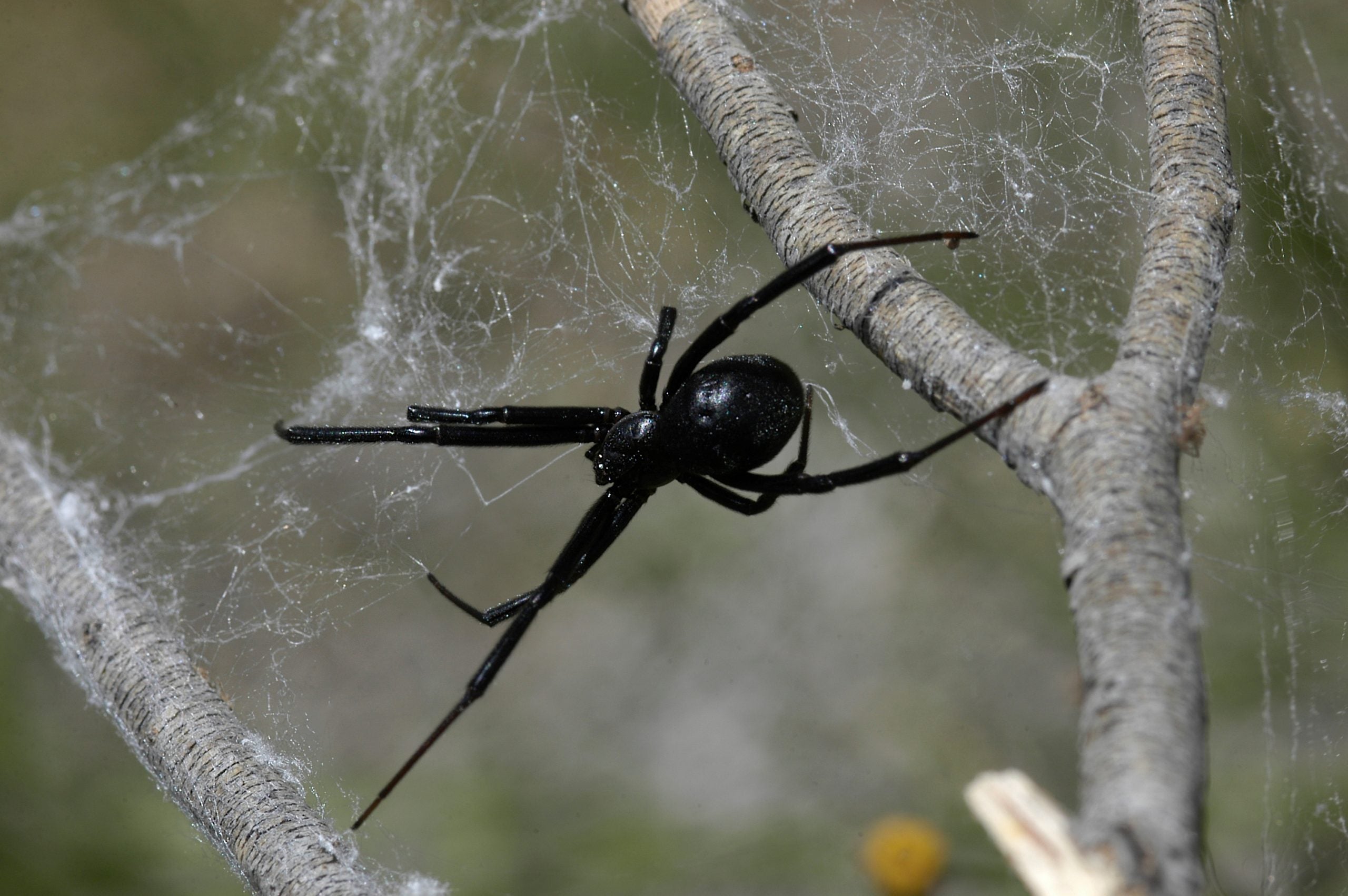
Many people go out of their way to avoid black widow spiders, but researchers at Arizona State University (ASU) are studying the insects to understand how they adapt to temperatures in urban environments.
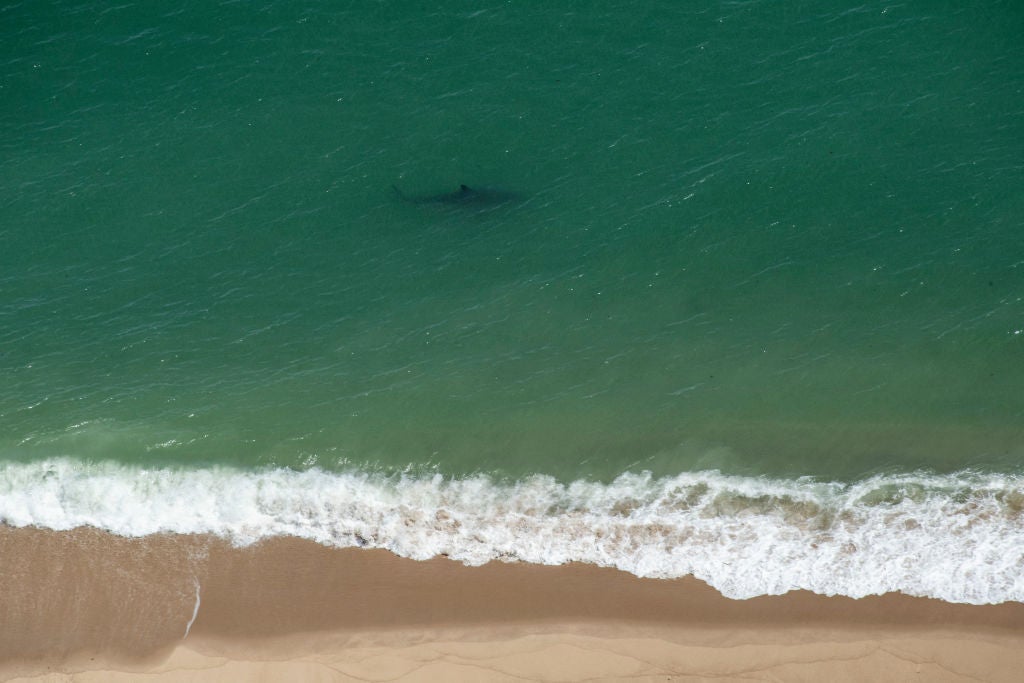
SEE IT: CALIFORNIA BEACHGOERS CAPTURE VIDEO OF MONSTER GREAT WHITE SHARK LEAPING OUT OF THE WATER
Researchers compared black widow spiders found in cities to those living in the surrounding desert to examine how urban heat affects their ability to survive.
"It's interesting to see how they're able to adapt, ASU research aide Kathrine Smas told FOX News affiliate FOX 10. "That's something we could potentially follow as humans in our own lives."
The study found that male black widows from urban areas survived in higher temperatures better than spiders that lived in the desert. The ones that lived in the desert died more quickly when exposed to increased heat.
VENOMOUS SPIDERS LURKING INSIDE DC GOVERNMENT BUILDINGS HAVE SURPRISING BENEFITS, EXPERT SAYS
The study found that male black widows in urban environments, such as alleys and sheds, adapted to higher temperatures associated with urbanization, including increased pavement temperatures and vehicle emissions and reduced vegetation.
BIZARRE STRING OF BEAVER ATTACKS FORCE MULTIPLE MARYLAND STATE PARKS TO CLOSE
Researchers are also observing changes in black widow behavior that could offer insight into Arizona's changing climate.
They discovered that female black widows, which are typically more active during the warmer months, have been observed remaining active for longer periods as winters become warmer.
"Black widows, they're typically in the hot summer months, but we've been seeing the females stay out longer, which is really showing that our winters in Arizona have been becoming increasingly warmer," Smas said.
SOMETHING IS LURKING BENEATH THE EVERGLADES — AND FLORIDA’S FROGS AND SALAMANDERS ARE AT RISK
Researchers hope studying these creatures will offer a better understanding of how animals respond to environmental changes and how urbanization and warming temperatures affect wildlife.
"Every discovery is always very important in advancing science. So I'm very grateful to be a part of a lab that's able to do that," Smas said.
What's Your Reaction?
 Like
0
 Dislike
0
 Love
0
 Funny
0
 Angry
0
 Sad
0
 Wow
0