


















This invasive lizard species is threatening the ecosystem as it spreads across Central Florida

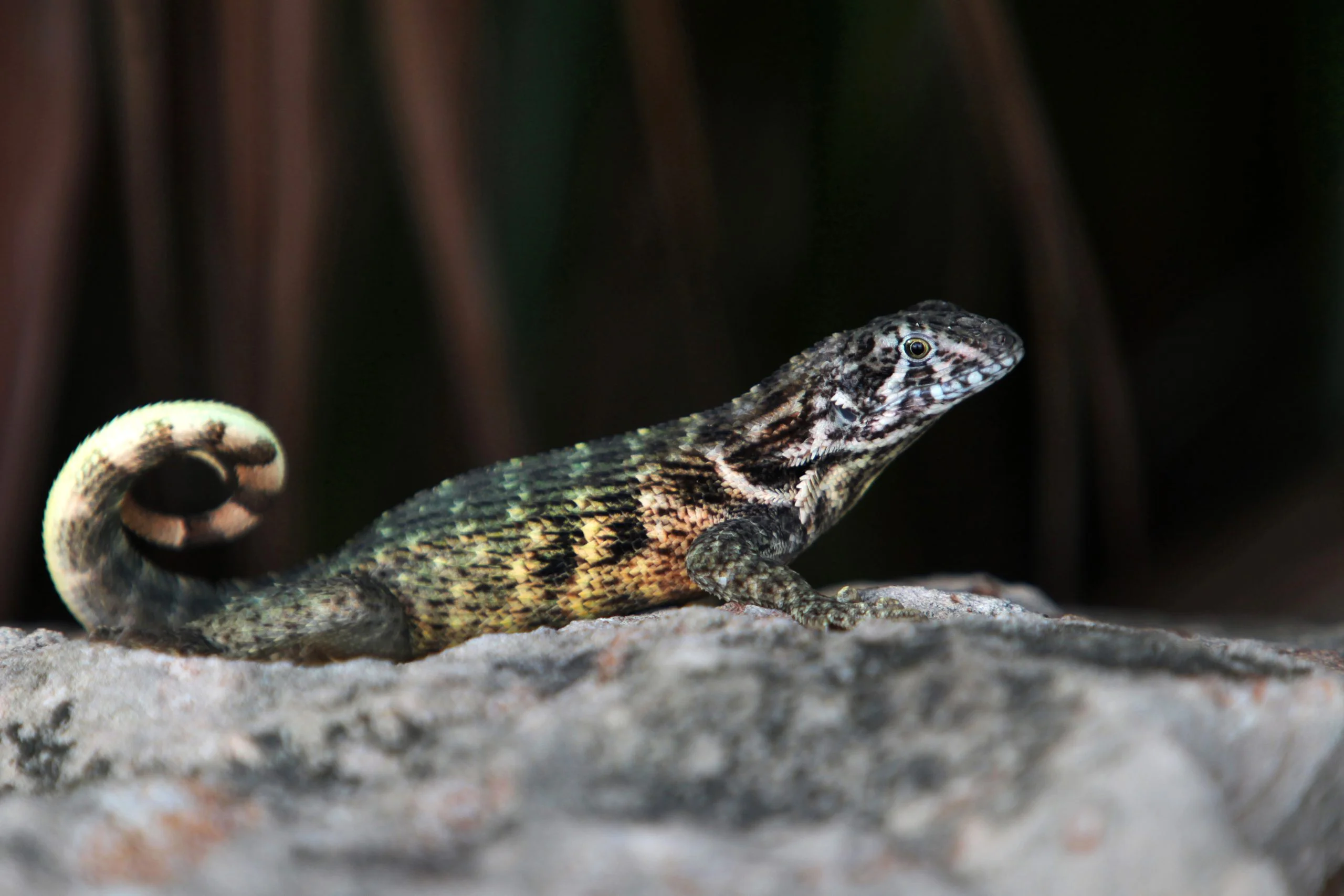
FLORIDA - Central Florida authorities are warning residents about the increasing presence of an invasive lizard species spreading throughout the region.
The Northern curly-tailed lizard, also known as Leiocephalus carinatus, is native to the Bahamas and has been established in South Florida since the 1930s. However, the species is now making its way farther north.
According to our affiliate FOX 35 Orlando, herpetologists say the species is now spreading throughout much of Central Florida.
"They're becoming fairly common throughout most of Central Florida now as they are starting to move up the peninsula," Dr. Matthew Atkinson, a herpetologist at the University of Central Florida, told FOX 35. "They're probably here to stay."
HOW THE WEATHER PREDICTS WHEN YOU SEE FIREFLIES
Researchers said these invasive lizards can grow up to a foot long and are known for dropping their tails as a defense mechanism to escape predators.
The lizards are commonly found around concrete and rocky areas, including parking lots and sidewalks.
What concerns officials most is the impact these invasive species could have on native wildlife and local ecosystems.
RARE, ALMOST EXTINCT WILD HORSE BORN AT THE BRONX ZOO
Northern curly-tailed lizards prey on native species, most notably the Carolina green anole. They are known to feed on smaller lizards and their eggs and can compete with native anoles for shared habitats.
While Carolina green anoles can survive higher up in trees, away from the curly-tailed lizard’s typical range, they still lay their eggs on the ground, putting them directly in the invasive species’ territory.
Curly-tailed lizards also prey on other invasive species in Florida, including brown anoles.
NOT ALL BAD: CYBORG COCKROACHES COULD ONE DAY HELP SAVE LIVES
"We see a little bit of invasive-on-invasive violence, if you will, where they are actually going to be a predator for the brown anoles, which are also invasive and rapidly spreading throughout the state," Atkinson said.
Luckily, officials said the species does not pose a threat to humans.
WILDLIFE OFFICIALS URGE RESIDENTS TO KILL INVASIVE ARGENTINE TEGUS SPREADING DISEASE
However, wildlife officials recommend that residents report sightings to help track the spread of the invasive lizard throughout Florida.
What's Your Reaction?
 Like
0
Like
0
 Dislike
0
Dislike
0
 Love
0
Love
0
 Funny
0
Funny
0
 Angry
0
Angry
0
 Sad
0
Sad
0
 Wow
0
Wow
0