










Not every Fourth of July will end with a bang: Wildfire danger spurs fireworks bans across the US

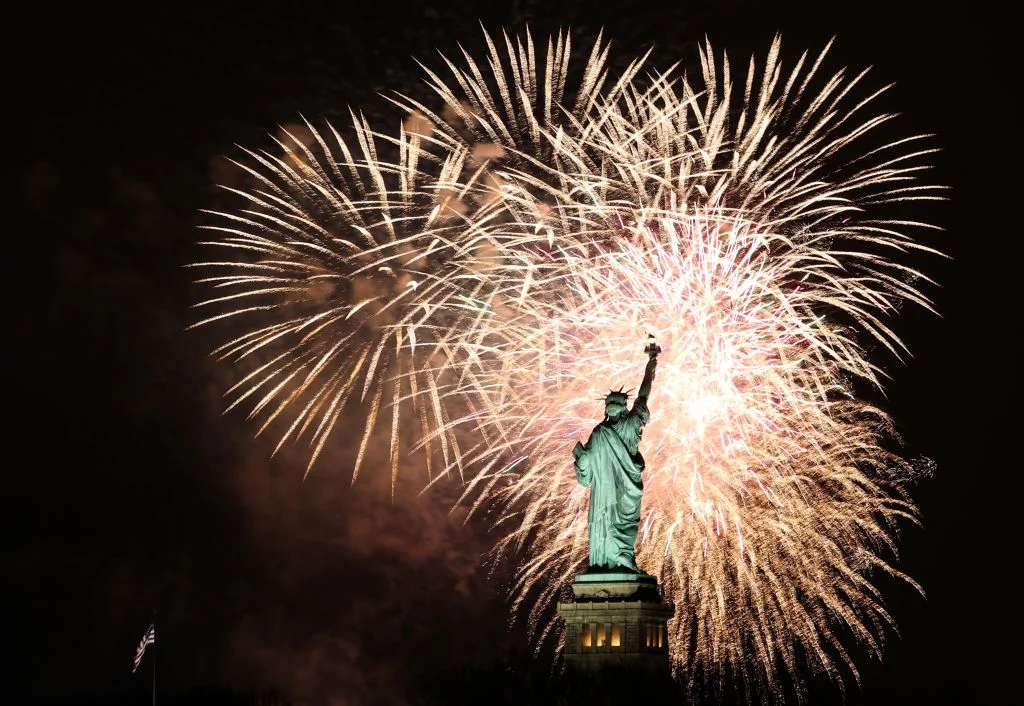
For many Americans, the Fourth of July isn't complete without a backyard fireworks show.
As the nation celebrates its 250th anniversary this Independence Day, heightened wildfire concerns have communities from Utah to Nebraska's panhandle telling residents to leave the fireworks on the shelf.
Americans spend an estimated $2.2 billion on fireworks each year, and the Fourth of July is the Super Bowl of backyard patriotic pyrotechnics. With widespread drought, wildfires and dangerous fire weather gripping parts of the country, not every Fourth of July summer celebration will end with a bang this year.
With America's 250th birthday prompting an initiative for the biggest Independence Day celebration to date, some unlucky locations will be without a pillar of the Fourth of July: fireworks.
For a tradition woven into the fabric of America's Independence Day celebration, localized and regional fireworks restrictions will prevent many consumers from celebrating the nation's 250th anniversary with the backyard fireworks displays that have become synonymous with the Fourth of July.
While fireworks can turn a mundane evening into a lasting memory with the pop of a shell, the dazzling displays come with real risks.
According to the National Fire Protection Association, fireworks started an estimated 34,079 fires in 2024.
CAN CONCERTS AND SPORTING EVENTS CAUSE EARTHQUAKES?
One stray spark can make all the difference. Fire departments typically respond to about 840 brush, grass and forest fires each day, but on the Fourth of July, that number skyrockets to roughly 4,430, more than five times higher, making it the busiest day of the year for fireworks-caused wildland fires, according to the Insurance Institute for Business & Home Safety.
That combination of heightened wildfire risk and extreme fire weather has prompted a growing number of states and local governments to restrict, or outright ban consumer fireworks this Fourth of July.
Fireworks are a leading cause of preventable fires in the United States each year, and with the nation's busiest fireworks weekend approaching, Utah isn't taking any chances.
Due to extreme wildfire conditions amid one of the most disastrous wildfires in state history, Utah Governor Spencer Cox issued an emergency order banning all personal fireworks through the Fourth of July in effect from July 2 to 5.
The action comes as Utah experiences one of its most severe wildfire seasons in recent history, with historic drought conditions, hundreds of wildfires and unprecedented fire behavior stretching firefighting resources across the state.
"Nothing about this decision was easy," Gov. Spencer J. Cox said. "Utahns love celebrating the Fourth of July with family, friends and fireworks. I do, too. But this year is different. We are seeing fire behavior that even our most experienced firefighters say they’ve never witnessed before."
"This is a temporary measure for an extraordinary year. It protects lives and homes while allowing local leaders, working alongside their fire officials, to identify areas where fireworks can be used safely," Cox continued.
JULY 4TH WEATHER AND TRAVEL: WHAT TO EXPECT FOR AMERICA’S HISTORIC 250TH BIRTHDAY ACROSS THE US
As active wildfires continue to burn across the U.S., Utah isn't alone in taking preemptive steps ahead of the Fourth of July.
In the Nebraska panhandle, local and county officials are following a similar protocol, and if you don't follow the rules, you might end up in handcuffs.
While fireworks are an undeniable tradition, are they worth going to jail for?
MAN DIES AFTER ROCK ARCHWAY COLLAPSES ONTO JETSKI IN FREAK ACCIDENT ON THE WATER IN MALTA
In Alliance, Nebraska, officials have banned the sale and discharge of consumer fireworks within city limits amid heightened wildfire concerns. Violators could face fines of up to $1,000, confiscation of their fireworks and even custodial arrest, News Channel Nebraska reported.
Similar to Utah, Nebraska's panhandle is facing exceptional drought and dangerous fire weather, leaving the area primed to ignite from even a single stray spark.
Nebraska Public Media reported that Box Butte, Kimball, Sioux and the unincorporated areas of Dawes County are among the Nebraska panhandle jurisdictions that have banned consumer fireworks this Fourth of July as exceptional drought and heightened wildfire danger grip the region.
HERE'S HOW WEATHER WILL IMPACT THE 2026 FIFA WORLD CUP
This May, Oklahoma Gov. Kevin Stitt signed the Rocket's Red Glare Act, a law that allows licensed retailers to sell consumer fireworks year-round instead of only around the Fourth of July and New Year's, while also legalizing bottle rockets for the first time in decades.
But as Oklahomans prepare to celebrate Independence Day, and the nation's 250th anniversary, Oklahoma City is taking a different approach.
Despite the state's broader fireworks law, Oklahoma City continues to prohibit all consumer fireworks within city limits under a local ordinance that has been in place since 1912.
From statewide emergency restrictions in Utah to longstanding city bans in Oklahoma City, Fourth of July fireworks laws are often determined at the local level.
3 ALLIGATOR ENCOUNTERS TURN VIOLENT IN WEEK'S SPAN, LEAVING ONE WOMAN DEAD IN FLORIDA
Before setting off consumer fireworks, residents should verify the rules where they live, and where they plan to celebrate to avoid fines and help prevent fires.
What's Your Reaction?
 Like
0
Like
0
 Dislike
0
Dislike
0
 Love
0
Love
0
 Funny
0
Funny
0
 Angry
0
Angry
0
 Sad
0
Sad
0
 Wow
0
Wow
0