










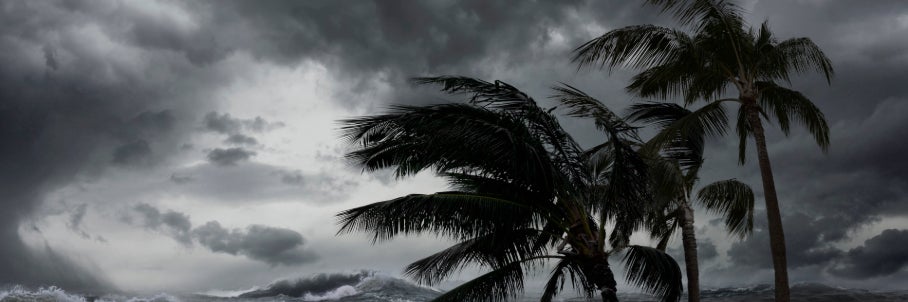




What was the weather like on the first ever Independence Day in 1776?

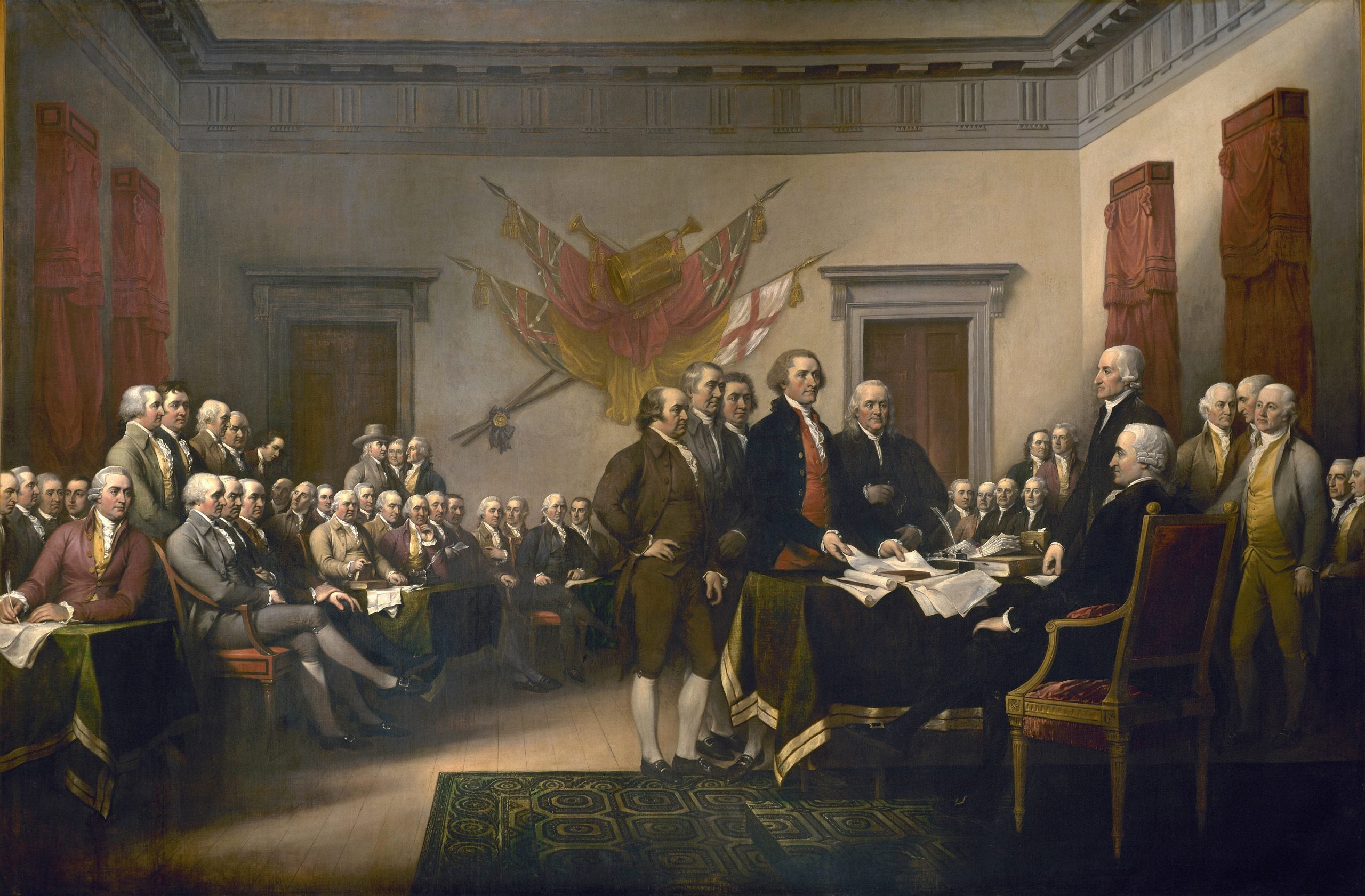
As millions of Americans feel the heat ahead of the 250th anniversary of the United States, this great nation has experienced a wide variety of weather on many historic days.
As we approach the Fourth of July, it is a time to look back at one of history's greatest events and to reflect on the weather our Founding Fathers experienced on the day the Declaration of Independence was adopted.
The five men from the original 13 colonies chosen to draft a statement of independence included Thomas Jefferson, John Adams, Benjamin Franklin, Robert R. Livingston and Roger Sherman.
Jefferson began drafting the statement between June 11 and 28, submitting it to Adams and Franklin, who made changes before presenting it to Congress on July 3, following the creation of the Lee Resolution a day prior, according to the National Archives.
There is no question that the summer heat played a role in the timing of the Declaration's adoption.
Finally, on July 4, the Declaration of Independence was officially adopted.
WOOL UNIFORMS AND EXTREME HEAT: A FIRSTHAND ACCOUNT OF WEATHER DURING THE BATTLE OF GETTYSBURG
Jefferson personally kept a daily record of the scorching temperatures throughout the year, including the days the Declaration was drafted.
According to Jefferson's personal weather data, he noted that temperatures began at 72 degrees by 9 a.m. on July 4, 1776.
The day's peak temperature was 76 degrees at 1 p.m.
SUNKEN WWI SHIP 'TAMPA' FOUND OFF ENGLISH COAST, SOLVING CENTURY-OLD MYSTERY
Jefferson rented a floor of rooms from a bricklayer in Philadelphia by the name of Jacob Graff, as he desired an escape from the main city noise and more suitable lodging.
FROM SECRET SCIENCE TO PUBLIC HISTORY: MANHATTAN PROJECT PARK MARKS 10 YEARS
After a long revision process, on the afternoon of July 4, the Declaration was adopted and, under the supervision of the Jefferson committee, it was approved for printing the next day.
On the morning of July 5, when temperatures were 72 degrees, members of Congress dispatched copies to various committees, assemblies and the Continental Army's commanders.
Eventually, on Aug. 2, the Declaration of Independence was officially signed on a day when peak temperatures reached 80 degrees, according to Jefferson's data.
THE WEATHER BEHIND D-DAY: HOW METEOROLOGISTS INFLUENCED OPERATION OVERLORD
Since then, America's history has continued to prosper through various weather events that have shaped this great nation over the last 250 years.
What's Your Reaction?
 Like
0
Like
0
 Dislike
0
Dislike
0
 Love
0
Love
0
 Funny
0
Funny
0
 Angry
0
Angry
0
 Sad
0
Sad
0
 Wow
0
Wow
0