



















Hundreds of invasive yellow-legged hornets that kill honeybees recorded all across Georgia

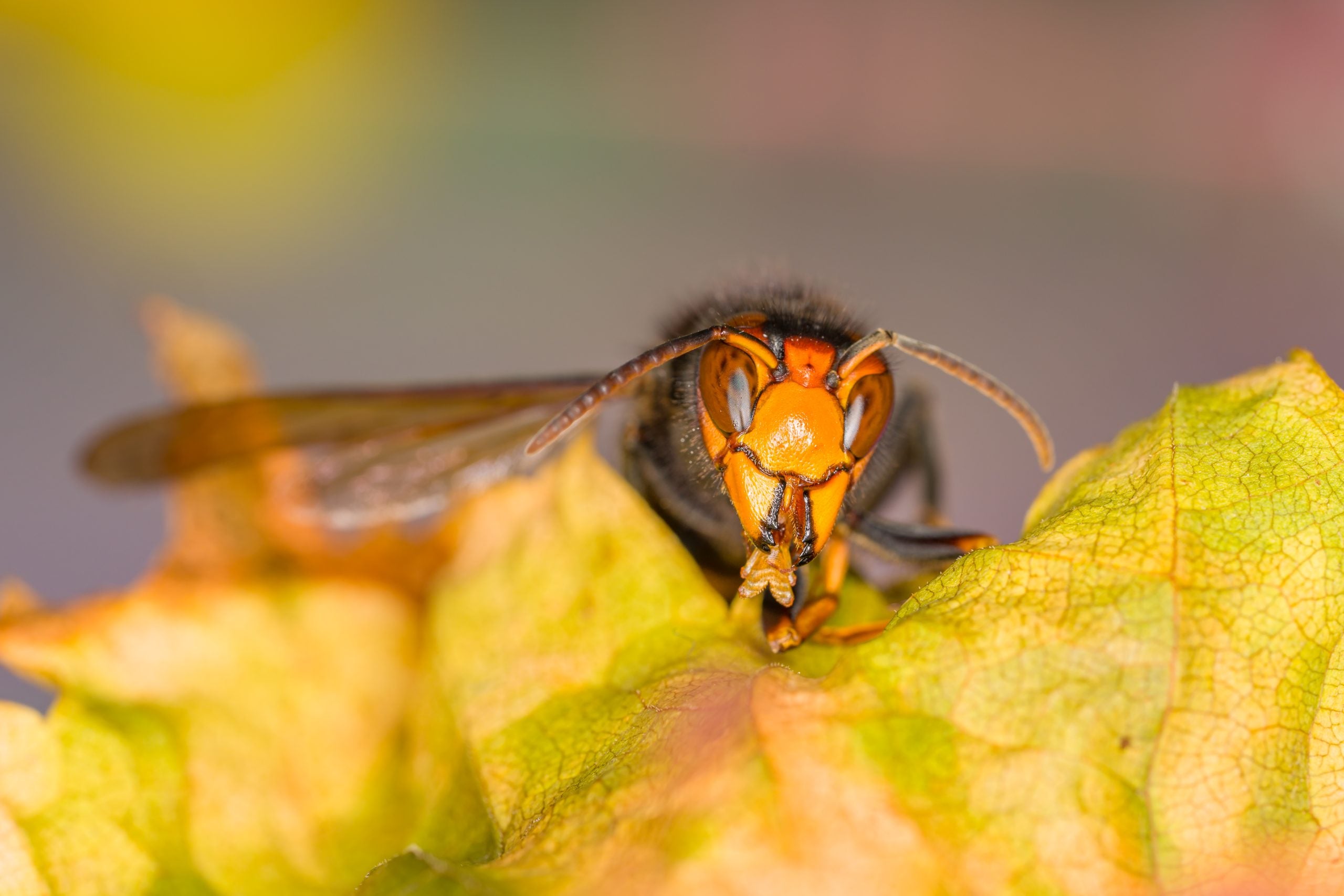
More than 850 of the invasive yellow-legged hornet have been caught across the state of Georgia so far this year in an effort to slow the spread of this pest that kills natural pollinators like honeybees.
Similar in appearance to the northern giant hornet, often called the "murder hornet," the yellow-legged hornet is native to Asia and spread across the world through cargo, taking a toll on honeybees in Europe beginning in the 2010s, before arriving on U.S. soil.
DEADLY FLESH-EATING PARASITE POSES RISK TO PETS THIS SUMMER: HERE ARE THE SAFETY TIPS TO KNOW
Since 2023, the hornets have been reported in Georgia, with officials taking steps to contain the spread of the hornets each year since, working toward total eradication.
According to the yellow-legged hornet eradication public information dashboard, the Georgia Department of Agriculture has captured at least 866 yellow-legged hornets in 2026, and eradicated 44 nests so far this year.
In 2025, the department tackled a total of 95,530 yellow-legged hornets, the dashboard shows.
THIS INVASIVE LIZARD SPECIES IS THREATENING THE ECOSYSTEM AS IT SPREADS ACROSS CENTRAL FLORIDA
Yellow-legged hornets emerge in early spring and steadily build their numbers through summer into the fall.
If the first stages of nest development aren't eliminated in the spring, queens still continue producing worker hornets, allowing for the building of secondary nests.
And the Georgia Department of Agriculture is calling on residents to help them eliminate this pest by reporting secondary nests.
HOW THE WEATHER PREDICTS WHEN YOU SEE FIREFLIES
"Georgia has made significant progress in tracking and eliminating the Yellow-legged Hornet, but our success depends on continued public support," said Georgia Department of Agriculture Commissioner Tyler J Harper. "The sooner a nest is identified and reported, the sooner our team can respond. We are asking every Georgian to remain vigilant and help us keep this invasive species from gaining a foothold in our state."
The Georgia Department of Agriculture’s Plant Protection Division said it has recently observed increased hawking activity around beehives, an indication that yellow-legged hornet colonies are entering their secondary nesting phase.
Hawking occurs when the hornets hover near honeybee hives and prey on foraging bees, the department said.
LESION-COVERED SQUIRRELS WITH POTENTIALLY LIFE-THREATENING VIRUS POPPING UP IN BACKYARDS ACROSS US
The department offered these tips about what Georgians can do to help:
INVASIVE ‘MURDER HORNET’ LOOKALIKE RAISES CONCERNS FOR POLLINATORS IN THE SOUTH
These hornets are about 2 centimeters long with narrow bodies and yellow legs, as their name suggests, and a yellow stripe on the fourth abdominal segment of the hornet, according to the University of Georgia.
Yellow-legged hornets have been reported in other southern states as well, including South Carolina and Alabama.
What's Your Reaction?
 Like
0
Like
0
 Dislike
0
Dislike
0
 Love
0
Love
0
 Funny
0
Funny
0
 Angry
0
Angry
0
 Sad
0
Sad
0
 Wow
0
Wow
0