



















Deadly parasite linked to cancer-like tumors detected in the Pacific Northwest

A deadly parasite that can cause cancer-like tumors has been detected along the West Coast for the first time.
According to a study from the University of Washington, new evidence suggests that the disease-causing tapeworm, Echinococcus multilocularis, has spread to the Pacific Northwest.
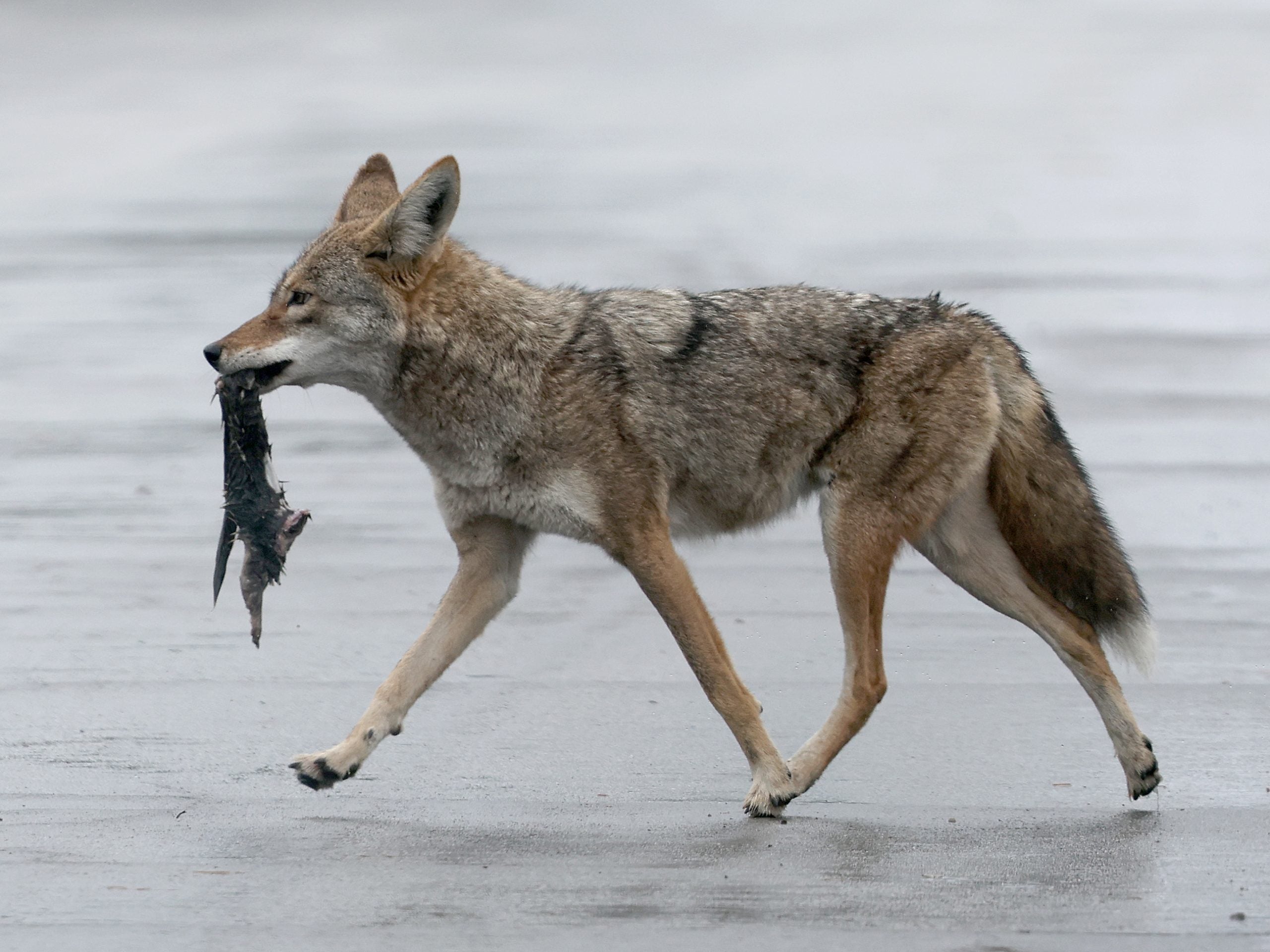
The study, published in March in PLOS Neglected Tropical Diseases, surveyed 100 coyotes in the Puget Sound region and found the parasite in 37 of them.
"The fact that we found it here in one-third of our coyotes was surprising because it wasn't found anywhere in the Pacific Northwest until earlier this year," lead author Yasmine Hentati said.
Also known as the fox tapeworm, Echinococcus multilocularis has been spreading across the U.S. and Canada for the past 15 years, creating a growing public health concern.
OFFICIALS AIM TO COMBAT SPREAD OF FLESH-EATING PARASITE WITH NEW STERILE FLY PRODUCTION FACILITY
The parasite primarily infects coyotes, foxes and other species, but it can cause severe illness if transmitted to pets or humans.
"This parasite is concerning because it has been spreading across North America," Hentati said. "There have been numerous cases of dogs getting sick, and a handful of people have also picked up the tapeworm."
Researchers say the risk of transmission to pets and humans remains very low. However, when infection does occur, the parasite can cause cancer-like cysts to form in the liver and, in some cases, other organs. If left untreated, the disease can be fatal.
FDA APPROVES EMERGENCY USE OF MEDICATION TO TREAT FLESH-EATING PARASITE IN DOGS AND CATS
Fortunately, not all carriers become sick. Some animals infected with Echinococcus multilocularis can harbor thousands of worms in their intestines without showing symptoms.
The worms then shed their eggs that are then passed through their feces.
Rodents become infected after consuming food contaminated with coyote feces. Once inside the body, the parasite's eggs migrate to the liver, where they form cysts that can weaken or kill the animal. The parasite's life cycle continues when coyotes prey on infected rodents.
Humans and domestic dogs are considered accidental hosts. People can become infected by ingesting tapeworm eggs, often through food contaminated with coyote or dog feces.
BRAIN-EATING AMOEBA DETECTED IN WATER AT ICONIC US NATIONAL PARKS, STUDY FINDS
"The reason it's so common in coyotes is because they are regularly eating raw rodents, and that is the primary way for them to get infected. Most domestic dogs are not eating the raw livers of wild rodents," Hentati said.
Dogs exposed to the parasite may or may not become sick, depending on the stage of the parasite's life cycle at the time of exposure. In many cases, dogs carry the parasite and shed eggs without developing symptoms.
However, dogs exposed to parasite eggs can develop the same cancer-like cysts seen in other infected animals.
MOTHER NATURE HELPS MAN SNAG 140-POUND RECORD-MONSTER IN MISSOURI LAKE
Veterinarians recommend routine preventive treatments to reduce the risk of infection.
"The main takeaway is that Echinococcus multilocularis is here, it's pretty prevalent in the local coyote population, and people should be aware of the potential risks," Hentati said.
What's Your Reaction?
 Like
0
Like
0
 Dislike
0
Dislike
0
 Love
0
Love
0
 Funny
0
Funny
0
 Angry
0
Angry
0
 Sad
0
Sad
0
 Wow
0
Wow
0