
















An overnight storm before Halloween may have changed the course of the American Revolution

THE TAKEAWAY
As Halloween approaches, the holiday's rich history makes for a memorable weekend nationwide. Still, many may not realize that during the Revolutionary War, a pre-Halloween storm helped the Continental Army escape British forces in pursuit, keeping the revolution alive.
On July 28, 1776, a pre-Halloween storm that lasted through the holiday helped the Continental Army successfully retreat from New York into New Jersey after the Redcoats seized control of the state.
The storm and retreat unfolded over several days as British forces pursued American troops, while a key battle delayed the advance and allowed the Americans to withdraw.
VAN GOGH’S STARRY NIGHT HOLDS A 137-YEAR-OLD SECRET THAT SCIENTISTS MAY HAVE FINALLY UNCOVERED
The Battle of White Plains began on Oct. 28, 1776, when George Washington ordered soldiers to set up defenses in White Plains, New York, in Westchester County, just outside New York City.
The battle took place after British forces took control of New York City on Sept. 15. Over the next month, the Continental Army steadily moved out of the region as Washington decided to abandon its positions on Manhattan Island and move north into White Plains.
By this point, British naval and ground forces had landed at Pell’s Point in Pelham on Oct. 18, putting significant pressure on the American strategic retreat.
At the time, American troops realized the army wouldn’t make it far, so a small force led by Colonel John Glover decided the best bet for a successful retreat was to delay the British advance as long as possible while the rest of the army moved to White Plains, where he and his remaining men would rejoin them for the next engagement.
RAIN AND STORMS TO HAUNT HALLOWEEN TRICK-OR-TREATERS ACROSS MORE THAN 20 STATES
During this time, Washington ordered soldiers to set up defenses in White Plains, digging entrenchments in anticipation of a harsh assault by British and Hessian troops.
On Oct. 28, 1776, British forces, along with 8,000 Hessian troops, descended on White Plains, and the battle began.
HOW DID WEATHER PLAY A ROLE DURING WORLD WAR I FOR THE ALLIES?
Hessians were German Auxiliary soldiers hired by the British to fight against the Continental Army during the Revolutionary War.
Both armies were badly bruised during the conflict, with the Americans being outgunned and outmanned, which allowed the enemy to advance.
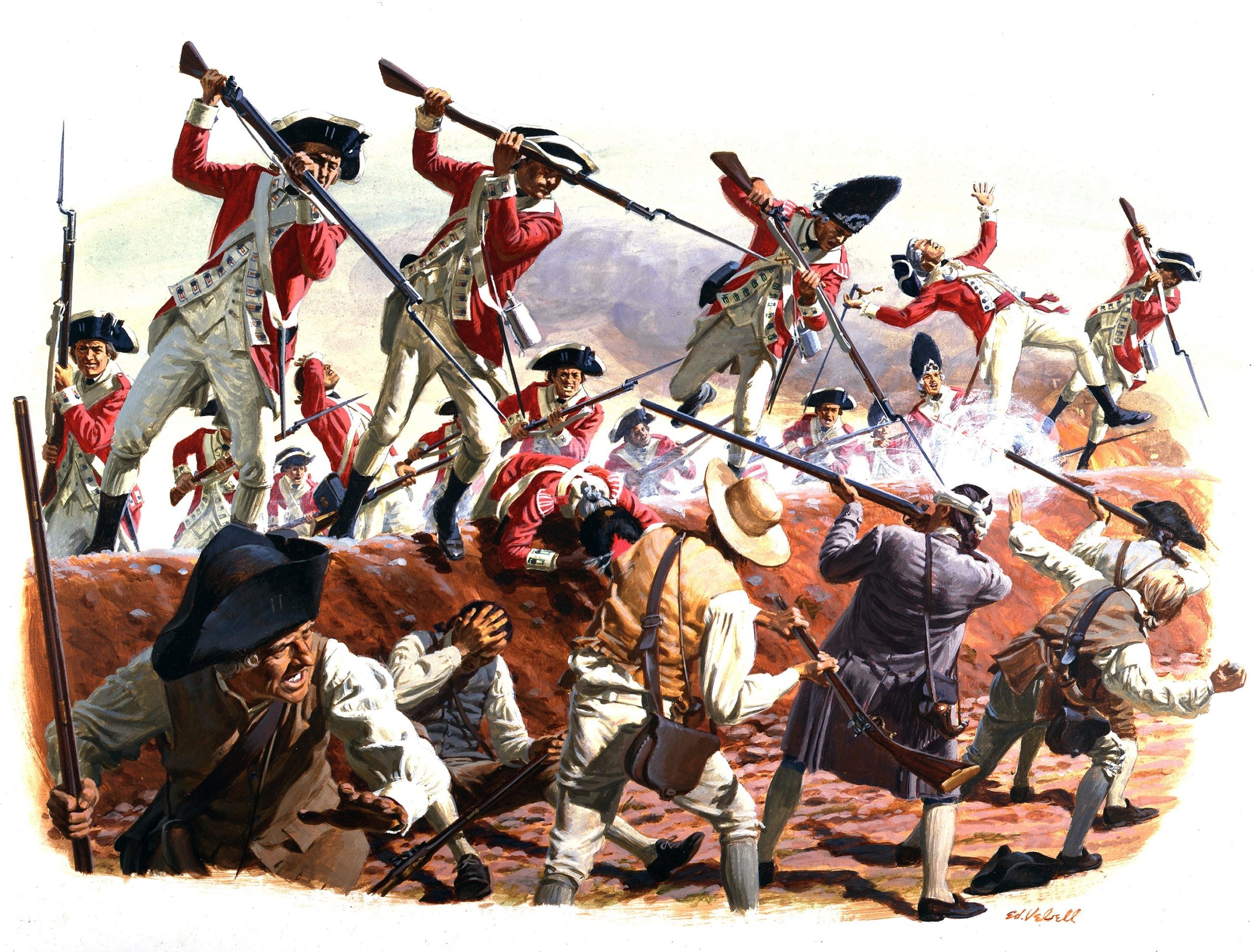
They held off a bombardment of artillery, gunfire and bayonet charges from the Redcoats until British mounted infantry swooped in, causing panic and Americans to scatter, allowing the line to falter and become overrun by enemy forces.
CELEBRATING WEATHER HISTORY: HOW FOG HELPED GEORGE WASHINGTON SAVE AMERICAN INDEPENDENCE
After multiple waves of attacks, British forces eventually broke through the main conflict area at Chatterson Hill and threatened occupied American White Plains from the South and West, allowing opposing general William Howe to sit and assess the situation.
The Americans suffered around 320 casualties while the British had around 230, according to American History Central.
The battle ended by 5 p.m., but the conflict was far from over, as troops from both sides remained in the area until Nov. 4.
However, Howe did not take advantage of this, which could have ended the revolution with a successful attack against Washington.
On Oct. 30, Howe planned to attack Washington and his army, which he had held up in White Plains where he wanted them, and intended to advance on Halloween.
WHAT WAS THE WEATHER LIKE ON THE FIRST EVER INDEPENDENCE DAY IN 1776?
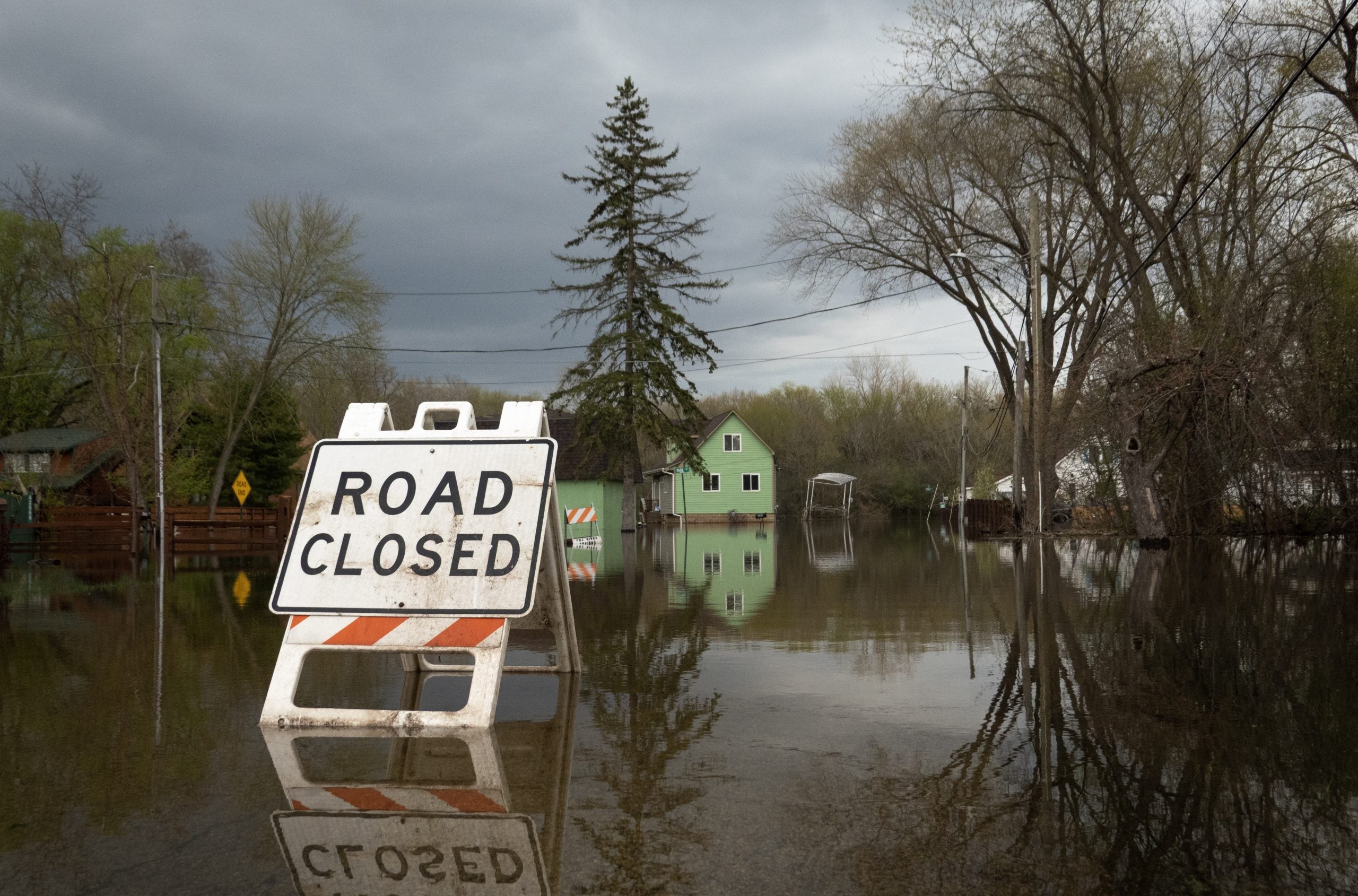
This proved lucky for the Continental Army, as a storm moved in overnight, bringing heavy rain and winds that raged for about 20 hours and prevented Howe from advancing into White Plains.
The severe weather gave Washington and his army a rare opportunity to retreat to North Castle and eventually to New Jersey after losing control of New York.
Although the Americans lost the Battle of White Plains, it remains an important part of U.S. history because it allowed the Continental Army to escape and keep the revolution alive.
If not for severe weather that brought downpours and strong winds, everything could have ended on Halloween with the British at the doorsteps of our nation's first leader.
WOOL UNIFORMS AND EXTREME HEAT: A FIRSTHAND ACCOUNT OF WEATHER DURING THE BATTLE OF GETTYSBURG
This later set the stage for a monumental counterattack across the Delaware River on Christmas Night that same year, when the successful Battle of Trenton took place.
What's Your Reaction?
 Like
0
 Dislike
0
 Love
0
 Funny
0
 Angry
0
 Sad
0
 Wow
0