















What could save your life during a bear encounter

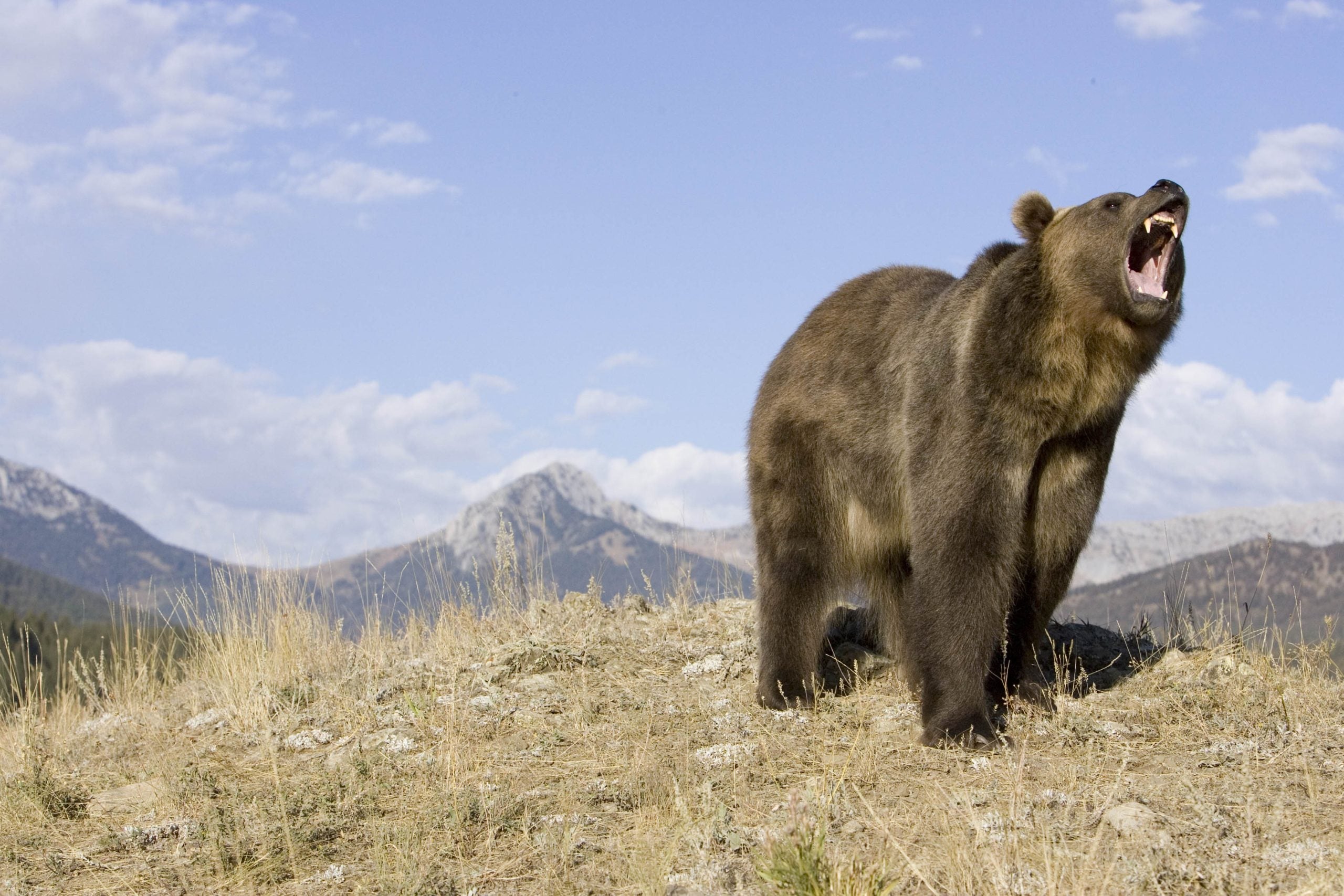
Warmer spring weather means hikers are heading out to their favorite trails for exercise and to take in the beauty of nature. Along these ventures, hikers may encounter some inhabitants — like their local bear.
The type of bear you may encounter depends a great deal on where you are located.
For instance, according to experts at Bear With Us, the North American black bear is primarily spotted from Florida through Alaska, while the brown bear is usually seen in areas of Washington, Montana and Wyoming.
If you encounter a bear, your safety is a priority. So, instead of snapping an up-close and personal picture of the wild animal right away, be sure you are at a safe distance and have a plan since these are dangerous wild animals.
These are some tips offered by the National Park Service:
Talk calmly to alert the bear that you are a human and not a prey animal. Wave your arms slowly and stand your ground. If a bear moves closer and stands on its hind legs, do not immediately panic.
According to the National Park Service (NPS), a standing bear is usually curious, not threatening, and is looking to get a better look or smell.
Most bears are not looking for trouble, and just want to be left alone. NPS says that bears sometimes bluff their way out of an encounter. They will charge and then turn away at the last second.
If a bear reacts defensively, just continue to talk to it in low tones. A scream or sudden movement may trigger an attack.
WATCH: CONNECTICUT SHOPPERS FLEE AS BEAR RUNS ACROSS MALL PARKING LOT
If a bear remains stationary, move away slowly and sideways. This will help you keep your eyes on the bear and avoid tripping.
Do not run. Bears can be just as fast as a racehorse — whether it be uphill or downhill.
Grizzlies, brown and black bears can climb trees. So stay on the ground.
Large gatherings of people are intimidating to bears. Groups are noisier and smellier, and alert bears that it is not just a single person at greater distances.
It is important to make yourself look as large as possible.
Allowing a bear to have access to your food will just encourage the bear and cause bigger issues. If you are carrying a bag with food, it is important not to drop it. It offers both protection and prevents the bear from accessing food.
EMPEROR PENGUINS DECLARED ENDANGERED SPECIES AMID THE DECLINE IN SEA ICE
Exit the area and take a detour. If you are unable to immediately leave, be sure the bear has an escape route and wait until it moves away.
If you come across a female bear and her cubs, be extra cautious. Chances of an attack increase tremendously if the mother sees you as a threat to her baby.
"Bear attacks are rare," according to NPS. "Most bears are only interested in protecting food, cubs, or their space. However, being mentally prepared can help you have the most effective reaction."
Depending on the bear that you encounter, there are different ways to behave if you do happen to get attacked.
For instance, if you are attacked by a brown or grizzly bear, play dead. It's important to lay flat on your stomach and have your hands clasped behind your neck. To make it more difficult for the bear to turn you over, keep your legs spread. Remain still until the bear leaves the area, but if the bear is persistent, then fight back with whatever you have at hand to hit the bear in the face.
If a black bear is attacking, do not play dead. If possible, try to escape to a secure place like a car or building. If that is not possible, fight back. Kick and place blows to the bear's face and muzzle.
What's Your Reaction?
 Like
0
Like
0
 Dislike
0
Dislike
0
 Love
0
Love
0
 Funny
0
Funny
0
 Angry
0
Angry
0
 Sad
0
Sad
0
 Wow
0
Wow
0