


















The hidden danger in the skies that could put airline passengers at risk

THE TAKEAWAY:
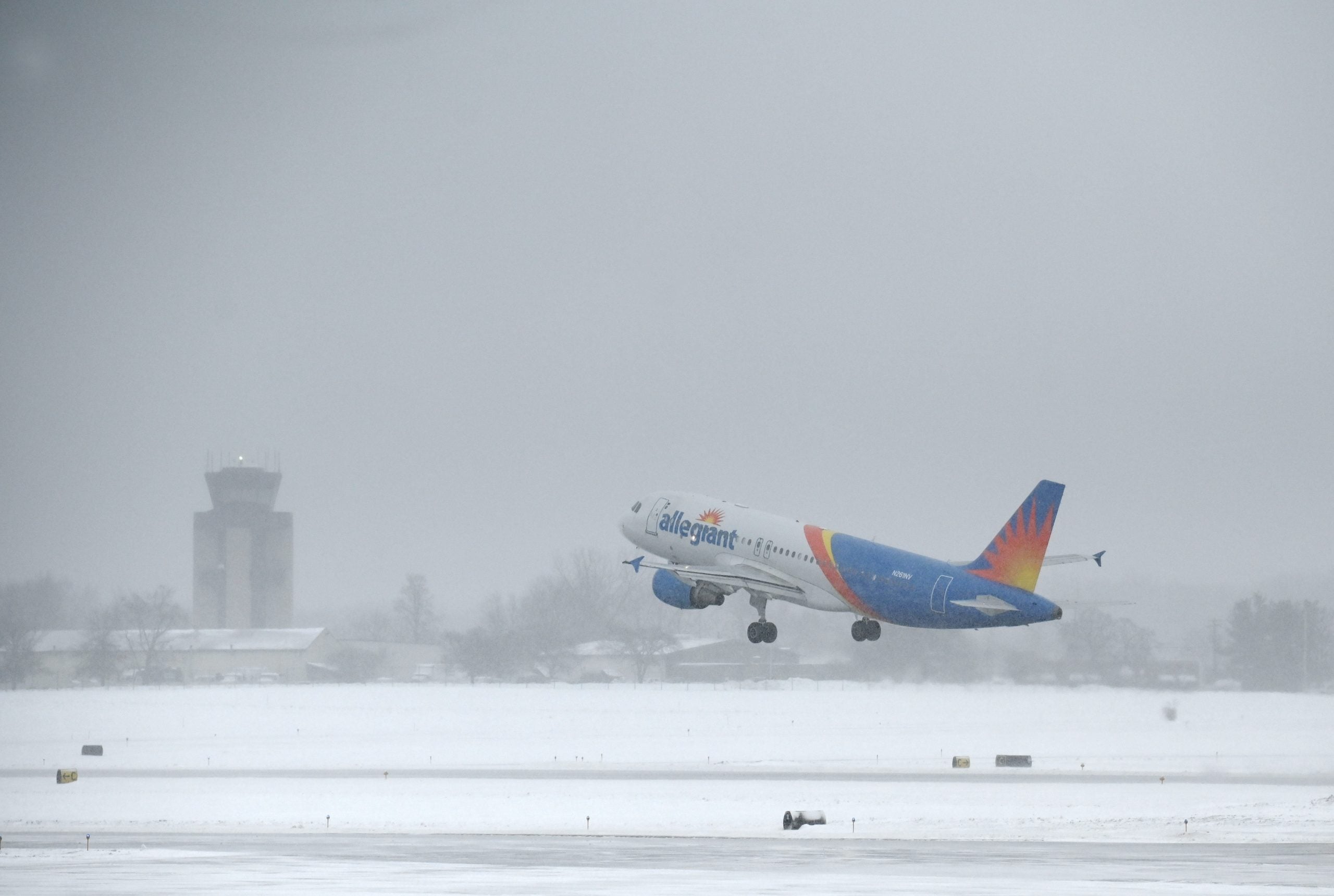
Ice forming on an aircraft's wings can be extremely dangerous for flight crews and passengers, reducing a plane's aerodynamic performance and increasing the risk of serious aviation incidents.
RAIN, WIND AND… SNOW? TROPICAL STORM LALA BRINGS A WINTRY SURPRISE TO HAWAII
This was seen when a plane carrying nine people crashed in Palm Beach County, Florida, on Sunday, Nov. 1, killing everyone onboard.
Although the cause of the crash remains under investigation, the crew reported icing conditions and moderate turbulence before the aircraft crashed.
According to the Federal Aviation Administration (FAA), aircraft icing is one of the major weather hazards to aviation.
WINTER MAKES AN EARLY APPEARANCE AS MOUNT WASHINGTON RECORDS FIRST MEASURABLE SNOW
Ice accumulation can increase an aircraft's weight and drag while reducing lift and thrust, making it more difficult for a plane to maintain altitude and speed.
Icing can also impair engine performance and interfere with flight instruments, communications and aircraft control systems.
TOP 10 US DESTINATIONS FOR SNOWBIRDS TO FLOCK TO ESCAPE THE WINTER COLD
Ice forms on an aircraft during flight when its surfaces collide with water droplets that remain liquid despite being below freezing temperatures. These are known as supercooled water droplets, according to NASA.
Mountainous regions can also present significant icing hazards. According to the FAA, some of the most severe icing conditions occur above ridgetops on the windward side of mountains and can extend approximately 5,000 feet above the peaks.
There are several types of aircraft icing, including clear ice, rime ice and mixed ice.
FAMILIES IDENTIFY VICTIMS KILLED IN FLORIDA PLANE CRASH AS INVESTIGATORS PROBE POSSIBLE WEATHER LINK
Clear ice forms when larger water droplets strike an aircraft and spread across its surface before freezing into a smooth layer.
The FAA said clear ice is particularly dangerous because it is hard, heavy and difficult to remove using deicing equipment.
Rime ice forms when smaller droplets freeze almost immediately upon impact, creating a rough, white or frost-like layer.
HOLIDAY TRAVELERS FACE DECADE-HIGH AIRFARE AS THANKSGIVING AND CHRISTMAS TRIPS GET PRICIER
Although it is generally lighter than clear ice, its irregular surface can significantly reduce aerodynamic efficiency by decreasing lift and increasing drag.
Mixed ice combines characteristics of both types, creating a rough accumulation of ice on aircraft surfaces.
To prevent aircraft icing, ground crews typically spray planes with heated deicing fluids to remove existing ice buildup. Anti-icing fluids may also be applied to help prevent additional ice from forming before takeoff.
During flight, crews should monitor temperatures and weather conditions and take appropriate precautions if icing develops. They can also use high-intensity flashlights to inspect aircraft surfaces for ice accumulation at night.
WHEN WILL THE ICONIC BRECKENRIDGE SKI RESORT OPEN FOR THE SEASON?
Ultimately, even a relatively thin layer of ice can compromise an aircraft's aerodynamic performance, making icing awareness and prevention critical to aviation safety.
What's Your Reaction?
 Like
0
 Dislike
0
 Love
0
 Funny
0
 Angry
0
 Sad
0
 Wow
0