














One of the most dangerous fault line in the US is overdue and the impacts could be catastrophic

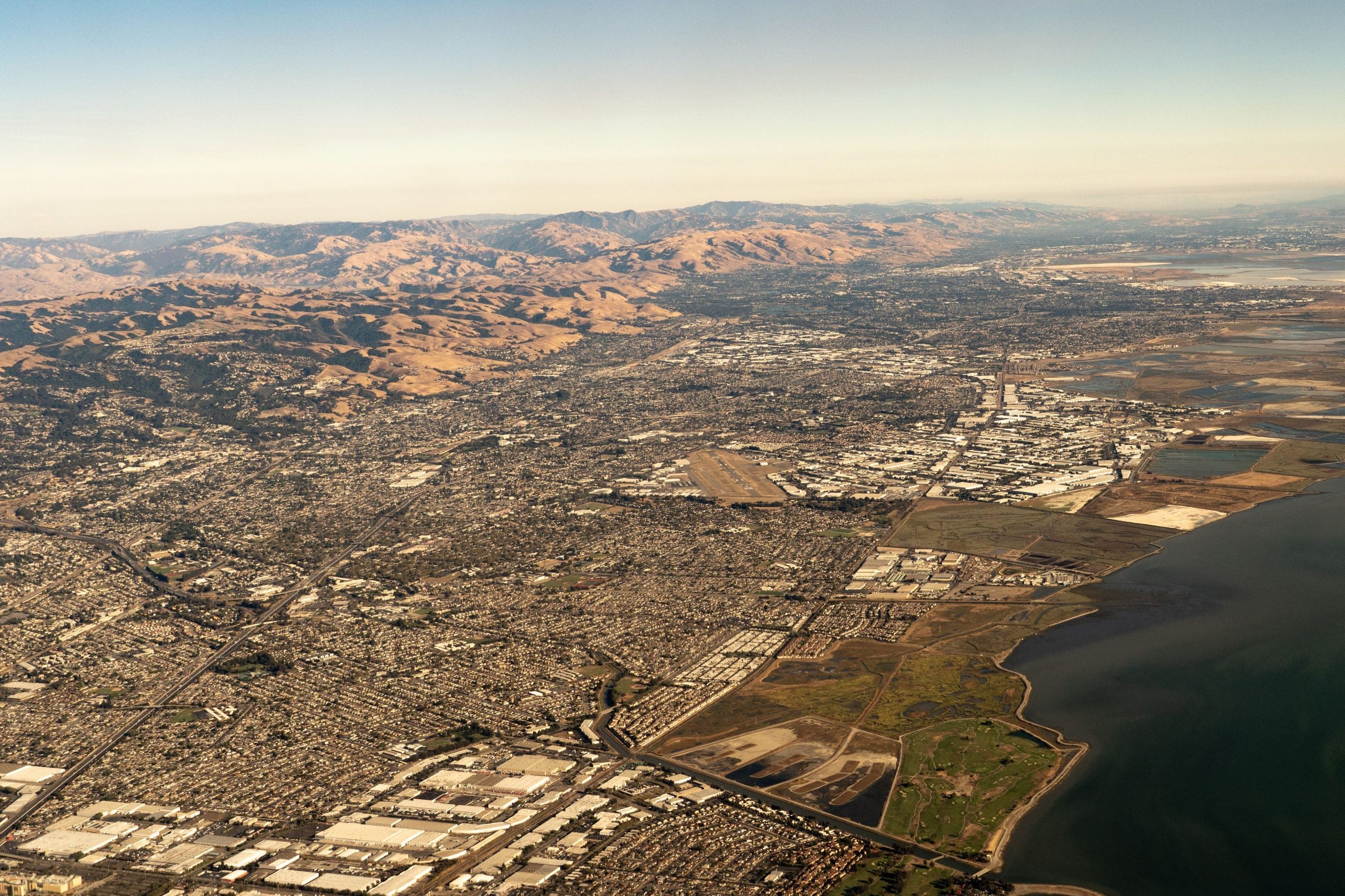
SAN FRANCISCO, Calif. - The United States' most volatile fault line is overdue for an earthquake, and if one occurs, it could be catastrophic for one of California's most populated regions.
The San Andreas Fault has long been the subject of doomsday films—and for good reason. This dangerous continental transform fault stretches roughly 800 miles through California, cutting through major population centers that could be devastated in the event of a large earthquake.
WHAT ARE THE LARGEST EARTHQUAKES TO STRIKE THE US?
The Hayward fault, part of the San Andreas Fault system, runs 74 miles through part of the San Francisco Bay Area, and research shows the seismically active fault is well overdue for an earthquake – so scientists are mapping the threat.
The past five major earthquakes on the Hayward Fault have occurred roughly every 140 years on average, and we are now well beyond that interval since the fault’s last major event in 1868, according to the UC Berkeley Seismology Lab.
WHAT TO DO DURING AND AFTER AN EARTHQUAKE
A recent study analyzed what would happen in the event of a magnitude 7.0 earthquake – and the results are concerning.
Scientists at Lawrence Livermore National Laboratory (LLNL) and Lawrence Berkeley National Laboratory (LBNL) simulated 50 different possible earthquakes to understand realistic outcomes of how strong seismological events on the Hayward Fault would play out – while establishing a database to better understand the impact of potential earthquakes in the future.
TO STUDY CALIFORNIA’S LARGEST ACTIVE VOLCANO, SCIENTISTS FIRST HAVE TO CLIMB IT
In a statement, the team said that a dangerous quake "could cause extensive damage to such a dense population zone."
The study mapped the impacts of ground-motion intensity across the Bay Area and how shaking would look in different scenarios – identifying vulnerable areas and potential threat zones before disaster strikes.
The US Geological Survey said in a report called the "HayWired Scenario" that a magnitude 7.0 earthquake under Oakland could kill as many as 800 people and injure up to 18,000.
Given the devastating potential, the study identified how strong shaking could be, how it varies in different locations and the physical factors that control shaking – and aims to improve ground-motion prediction and seismic hazard analysis in the event of an earthquake.
THIS ROCK IN ARCHES NATIONAL PARK WILL FALL, IT'S ONLY A MATTER OF TIME
"We are interested in learning what the ground motion for a typical magnitude 7 earthquake in the Bay Area could be, so that we can work with engineers to make sure that the infrastructure and buildings in the Bay Area can withstand this motion," author and LLNL scientist Arben Pitarka said. "With that information, we can also start preparations for retrofitting some of the vulnerable structures."
The U.S. Geological Survey estimates a 14.3% chance of a magnitude 6.7 or larger event by 2034 and a 33% chance before 2043 — making the Hayward fault the most dangerous in the Bay Area.
The cities on and immediately near the fault include Oakland, Berkeley, Hayward, Fremont, San Leandro, Richmond, El Cerrito and Milpitas, putting millions at risk; that's why scientists are gathering data to prepare ahead of a potentially tragic tremor.
"With this new database, not only can we provide better estimates of the expected ground motion from this type of earthquake, but we can also locate areas that are susceptible to very strong shaking in the San Francisco Bay Area," Pitarka said.
The simulations show that directional pulses and basin amplification could lead to especially strong and prolonged shaking, increasing risks for flexible buildings and in basin regions.
HOW SAN FRANCISCO WAS DEVASTATED BY THE 1906 EARTHQUAKE
In the future, researchers aim to extend their simulations to model earthquakes on the San Andreas Fault, which can produce magnitude 7.5 earthquakes or larger, with a proven history of spawning destructive earthquakes.
What's Your Reaction?
 Like
0
Like
0
 Dislike
0
Dislike
0
 Love
0
Love
0
 Funny
0
Funny
0
 Angry
0
Angry
0
 Sad
0
Sad
0
 Wow
0
Wow
0