




















Federal officials unveil new plan in the fight against Lyme disease and tick-borne illness

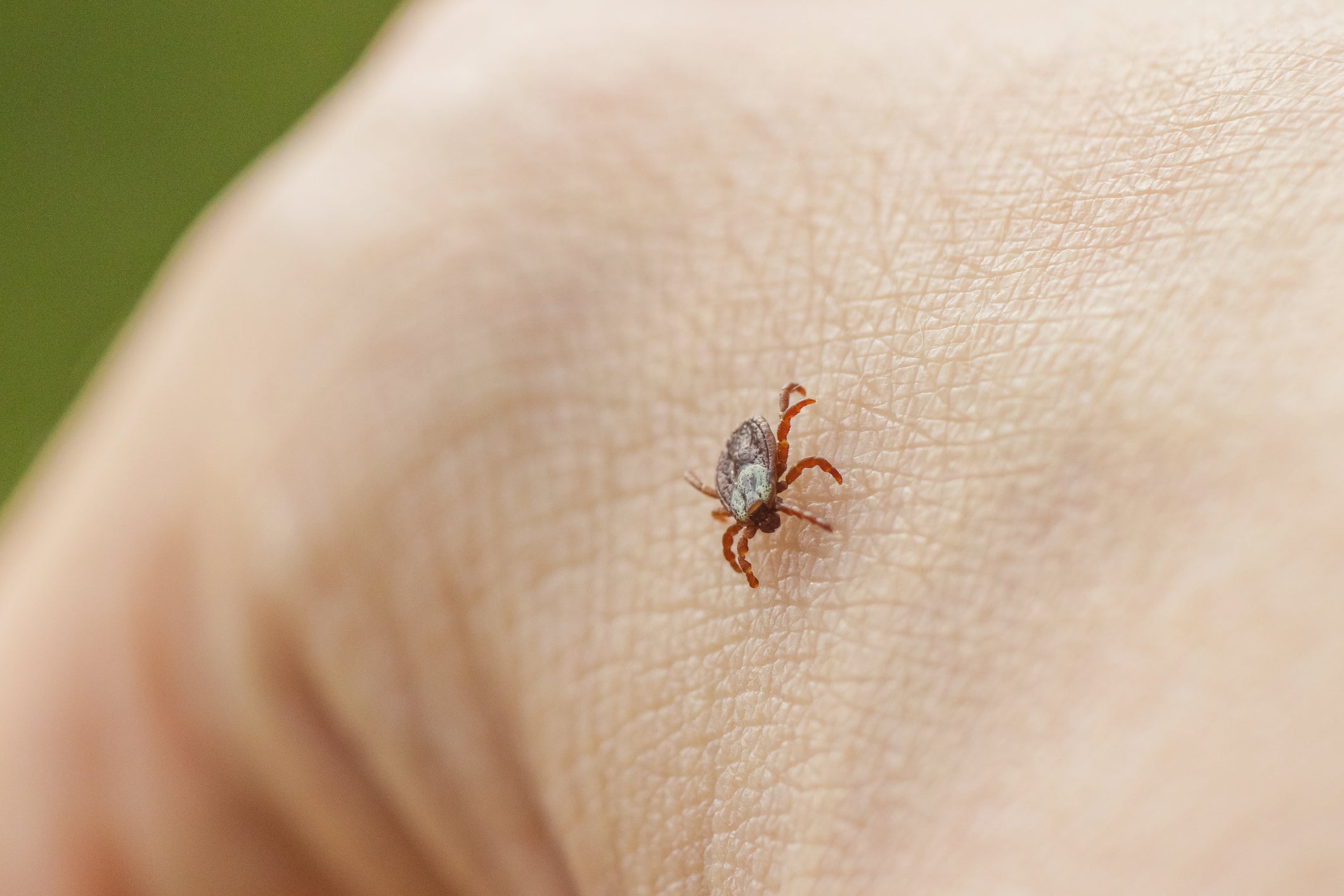
As summer approaches and steadily warm temperatures persist across the U.S., Americans flock outdoors to enjoy the pleasant weather, but not without the risk of ticks.
The U.S. Department of Health and Human Services (HHS) has announced a major initiative to combat Lyme disease and other tick-borne illnesses across the country.
In collaboration with the Centers for Disease Control and Prevention (CDC), the HHS allocated millions of dollars to focus on tick control and funding research to combat Alpha-gal syndrome (AGS).
HOW TO STAY SAFE DURING TICK SEASON
This includes $2.5 million to fight this disease at its source in some of the hardest-hit states in the country, such as New Hampshire.
AGS is a serious and potentially life-threatening allergy to alpha-gal that can develop after a tick bite, according to the CDC.
Alpha-gal is a molecule found in most mammals, such as cows and pigs, but not humans.
The CDC said that nearly 500,000 Americans live with Alpha-gal syndrome, with new data suggesting the true number could be significantly higher.
LARGE INCREASE IN TICK BITES REPORTED AT HOSPITALS ACROSS THE US AS SPRING WARMTH KICKS IN
People who develop AGS from a tick bite can have an allergic reaction to red meat or products that contain alpha-gal, which is also found in the saliva of some ticks.
The most common tick associated with this illness is the Lone Star tick, which is widely distributed in the Northeast, South and midwestern U.S.
This campaign, led by Secretary Robert F. Kennedy, is aimed at accelerating research, expanding innovation and improving patient care.
"Millions of Americans battling Lyme disease and other tick-borne illnesses have spent years searching for answers, treatment and support," Secretary Kennedy said. "We are going after this disease at its source, driving faster diagnostics and new prevention strategies, and delivering the urgency and action Americans deserve."
According to the HHS, more than 476,000 Americans have been diagnosed with Lyme disease.
Both the HHS and CDC will work to develop practical strategies to target and eliminate ticks that are on wildlife before they can spread disease to humans.
By reducing tick populations and disrupting breeding cycles, this intuitive goal to slow disease transmission and protect millions of people could be possible thanks to this initiative, which is the most ambitious federal effort to date.
SLITHERING TOWARD EXTINCTION: DEADLY DISEASES COULD WIPE OUT RATTLESNAKE POPULATION
The greater goal is to reduce Lyme disease cases by 25% by 2035.
What's Your Reaction?
 Like
0
Like
0
 Dislike
0
Dislike
0
 Love
0
Love
0
 Funny
0
Funny
0
 Angry
0
Angry
0
 Sad
0
Sad
0
 Wow
0
Wow
0