











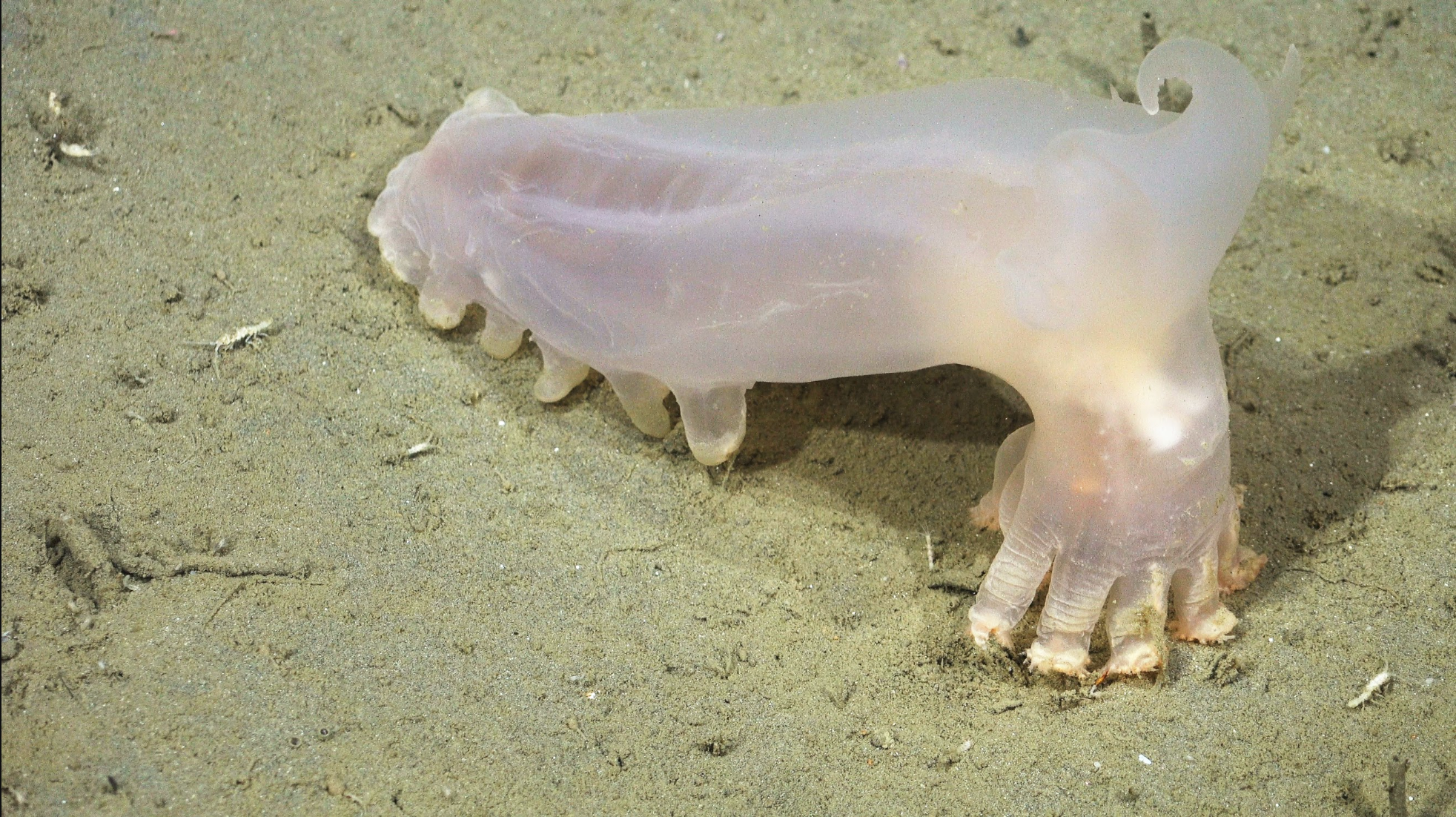



Deep-sea discovery uncovers one of the largest known whale graveyards on the floor of the Indian Ocean

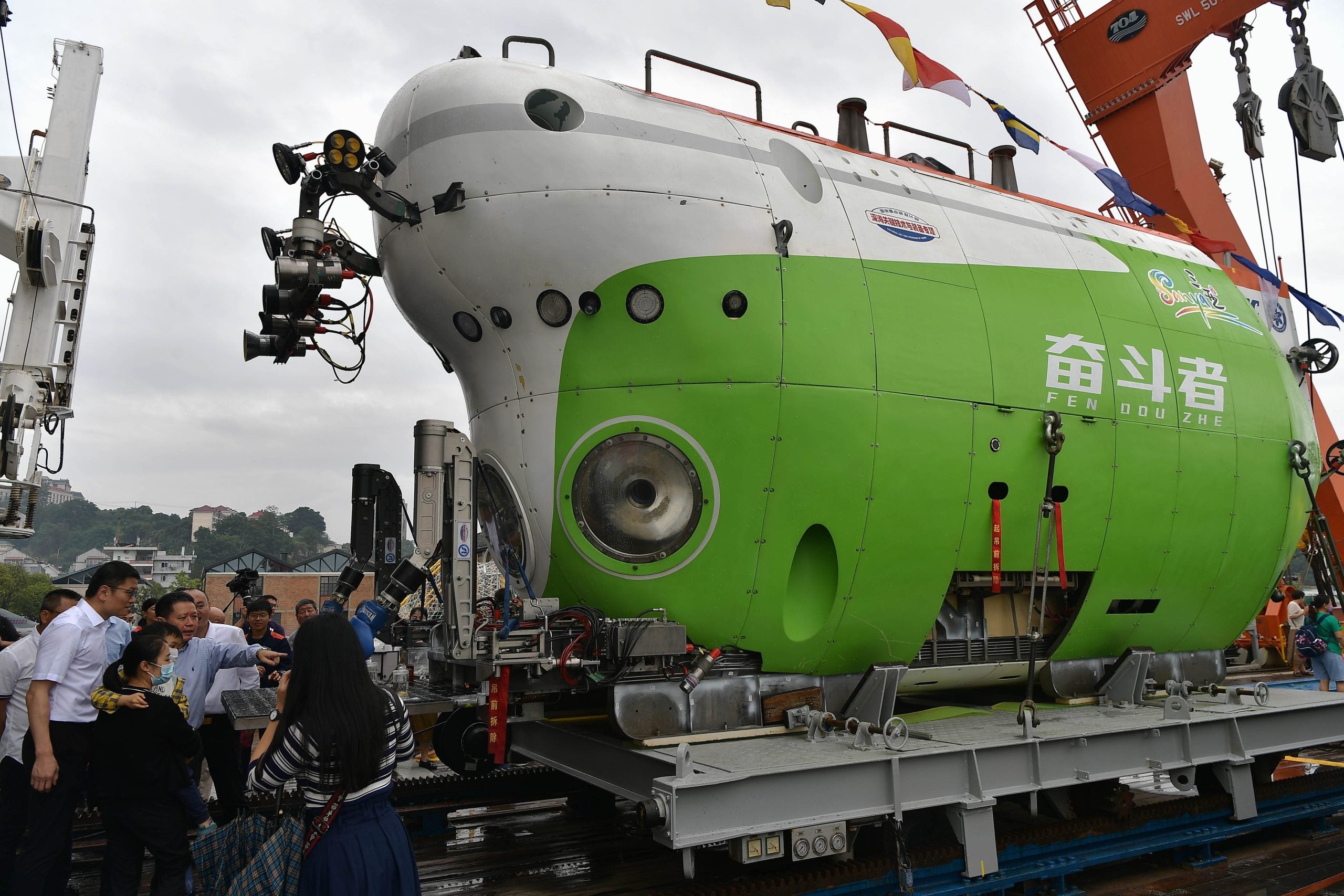
Hidden nearly four miles beneath the surface of the Indian Ocean, a vast underwater whale graveyard has preserved hundreds of whale remains for millions of years, offering scientists an unprecedented window into the evolution of some of the ocean's most elusive mammals.
Using China's deep-diving submersible Fendouzhe, researchers mapped the roughly 745-miles of seafloor in the southeastern Indian Ocean and documented 485 whale-fall and whale-fossil sites.
UNDERWATER ROBOTS FIND RARE ARTIFACTS IN FRANCE'S DEEPEST SHIPWRECK, A 16TH CENTURY VESSEL
The team of researchers uncovered a previously unknown 5.3 million-year-old necropolis containing hundreds of fossil whales, including one of a previously unknown species and active whale-fall ecosystems in the deep depths of the Indian Ocean.
Scientists discovered the unprecedented deep-sea whale necropolis that comprised of five active whale falls, 480 fossil whale sites and 485 total whale-fall localities distributed across a massive swath of the seafloor south of Australia in the Diamantina Zone.
A study showcasing the discovery published in Nature argued that it's likely the oldest and largest whale necropolis on Earth – but the discovery goes much deeper than the graveyard.
BRAIN-EATING AMOEBA DETECTED IN WATER AT ICONIC US NATIONAL PARKS, STUDY FINDS
This landmark study extends the known limits of whale-fall ecosystems, reveals an unprecedented fossil record of deep-diving whales spanning more than five million years and provides new evidence that whale falls may act as biogeographic stepping stones for other deep-sea species.
A research team led by Xiaotong Peng of the Institute of Deep-sea Science and Engineering, Chinese Academy of Sciences (CAS), including collaborators from China, Italy and New Zealand, discovered the massive graveyard during a 2023 expedition using the full-ocean-depth submersible Fendouzhe.
SEE IT: OVER 30 NEW SPECIES DISCOVERED DURING EXPEDITION TO THE OCEAN'S 'LARGEST FRONTIER'
Researchers found fossils from both living and extinct whale species, and uncovered potentially new species.
The active whale falls hosted thriving ecosystems of bone-eating worms, chemosynthetic clams and mussels, brittle stars and other specialized deep-sea animals.
Many of the organisms associated with the whale falls may be species new to science, highlighting how little of the deep ocean has been explored.
The team proposes that the Diamantina Zone may function as a "whale-fall supercorridor," with whale carcasses acting as ecological stepping stones that help connect deep-sea communities across vast distances.
Scientists think the whale graveyard formed because the region is a hotspot for deep-diving whales, while the shape of the seafloor acts like a natural collection basin for sinking carcasses.
With very little sediment accumulating over time, the bones remained well-preserved for millions of years.
Researchers say the find may be just the beginning, with other whale graveyards potentially waiting to be discovered in some of the least explored parts of the planet.
What's Your Reaction?
 Like
0
Like
0
 Dislike
0
Dislike
0
 Love
0
Love
0
 Funny
0
Funny
0
 Angry
0
Angry
0
 Sad
0
Sad
0
 Wow
0
Wow
0