


















Colorado State University reduces 2026 Atlantic hurricane season forecast, amid quickly developing El Niño

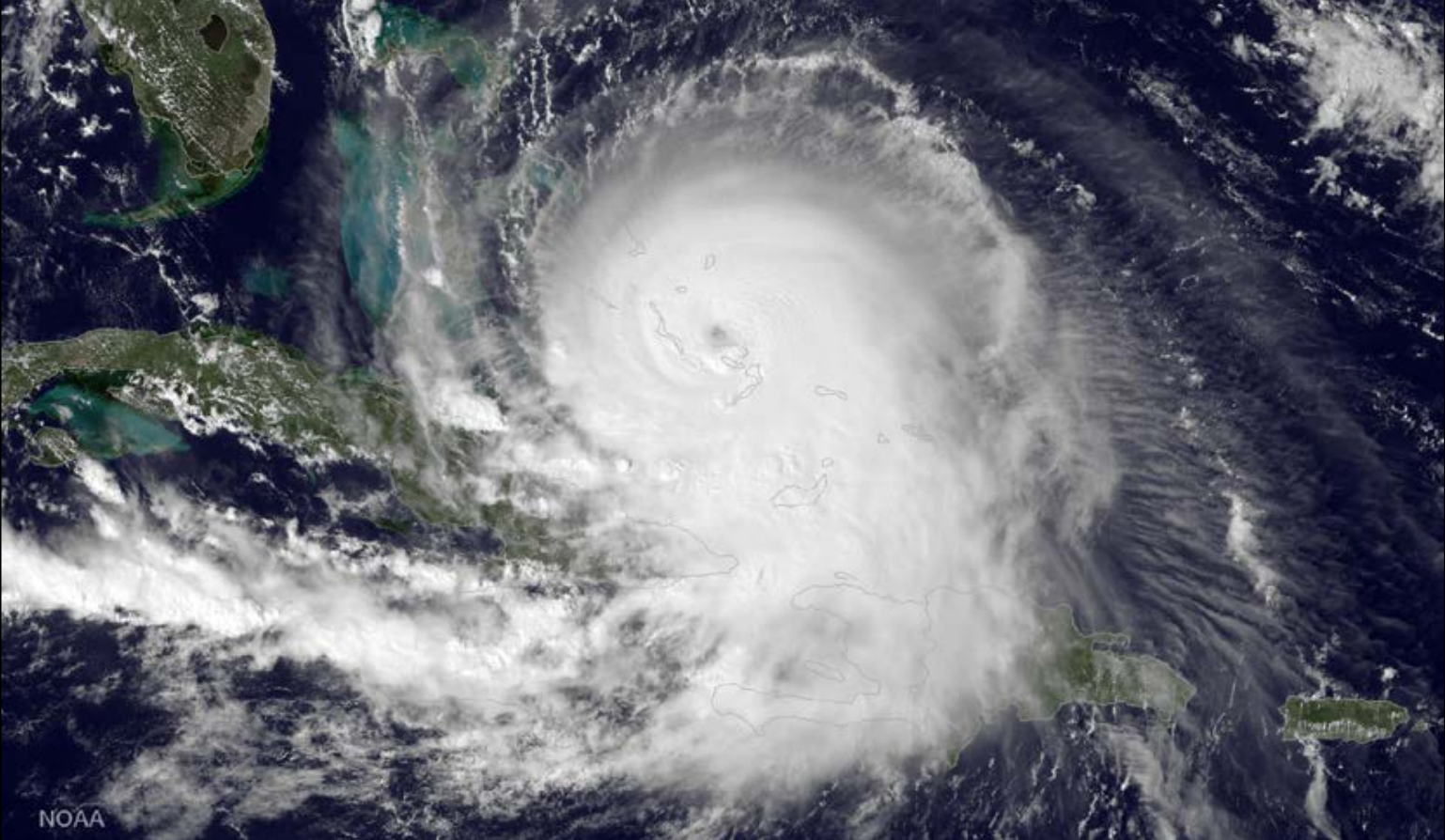
Colorado State University (CSU) further reduced the number of storms it expects this Atlantic hurricane season in its updated seasonal forecast released on Wednesday.
CSU cites increased confidence that a developing strong El Niño — which is typically associated with fewer named storms in the Atlantic — will become the dominant factor in determining tropical weather patterns this season, overcoming other forecast ingredients present that favor increased tropical development.
The revised CSU forecast calls for 11 named storms, 5 hurricanes, including 2 major (Category 3+) hurricanes this year — down from its April forecast of 13 named storms and 6 hurricanes.
This updated outlook is also in line with NOAA's seasonal forecast that was released several weeks ago.
WHAT’S THE DIFFERENCE BETWEEN A TROPICAL DEPRESSION, TROPICAL STORM AND HURRICANE?
In comparison, an average Atlantic hurricane season produces 14 named storms, including 7 hurricanes and 3 major hurricanes.
El Niño is one of three phases of a climate cycle called the El Niño-Southern Oscillation (ENSO). It describes natural temperature changes in the central Pacific Ocean that alter atmospheric circulation and can greatly influence global weather.
WHAT ARE EL NINO AND LA NINA CLIMATE PATTERNS?
El Niño describes warmer than average water across the equatorial Pacific, while La Niña describes colder than average water conditions, and ENSO neutral refers to a state where temperatures are close to average.
During El Niño, above-average water temperatures in the central and eastern Pacific Ocean produce strong winds that hinder tropical development in the Atlantic and enhance development in the Eastern Pacific.
BRYAN NORCROSS: REFLECTING ON HURRICANE SEASON 2025
Taken in a vacuum, the stronger the El Niño event, the more wind shear will be present to limit storm development.
Wind shear happens when winds blow at different speeds or in different directions at different heights. Too much wind shear can rip thunderstorms apart before a tropical system has a chance to strengthen.
According to a brief released by NOAA’s Climate Prediction Center, neutral conditions have taken hold — signaling that El Niño will likely develop sometime in the next six months.
Still, CSU forecasters qualified that exactly when El Niño forms will play an almost equal role in how much of the hurricane season is suppressed. Currently, most long-range models show El Niño peaking in strength as hurricane season ends in November.
ATLANTIC 2026 HURRICANE SEASON COULD SEE MAJOR IMPACTS FROM POTENTIALLY STRONG EL NIÑO
According to the FOX Forecast Center, the rate at which El Niño reaches strong El Niño conditions — more than 2 degrees Celsius above average — will determine how much of the season will be impacted by intense storm-suppressing wind shear.
However, many other factors influence storm activity during hurricane season, including sea surface temperatures in the Atlantic, which remain near or slightly above average.
CSU's forecast models indicate that sea surface temperatures (SSTs) in the Atlantic will likely remain relatively warm and above normal throughout the season. These warmer waters typically provide fuel for storms.
According to the FOX Forecast Center, this sets up a bit of a battle between unfavorable wind conditions caused by El Niño and the warmer ocean waters that help storms grow.
"A similar setup occurred in 2023, when record-warm sea surface temperatures helped offset the suppressing effects of El Niño," the FOX Forecast Center said.
But ultimately, the high wind shear from El Niño is expected to be the more dominant, suppressing force in 2026, according to CSU.
CSU will issue a mid-season forecast in August.
Beyond these projections, both CSU forecasters and FOX Weather Hurricane Specialist Bryan Norcross cautioned that even in seasons with fewer storms, it only takes one to create major impacts.
What's Your Reaction?
 Like
0
Like
0
 Dislike
0
Dislike
0
 Love
0
Love
0
 Funny
0
Funny
0
 Angry
0
Angry
0
 Sad
0
Sad
0
 Wow
0
Wow
0