















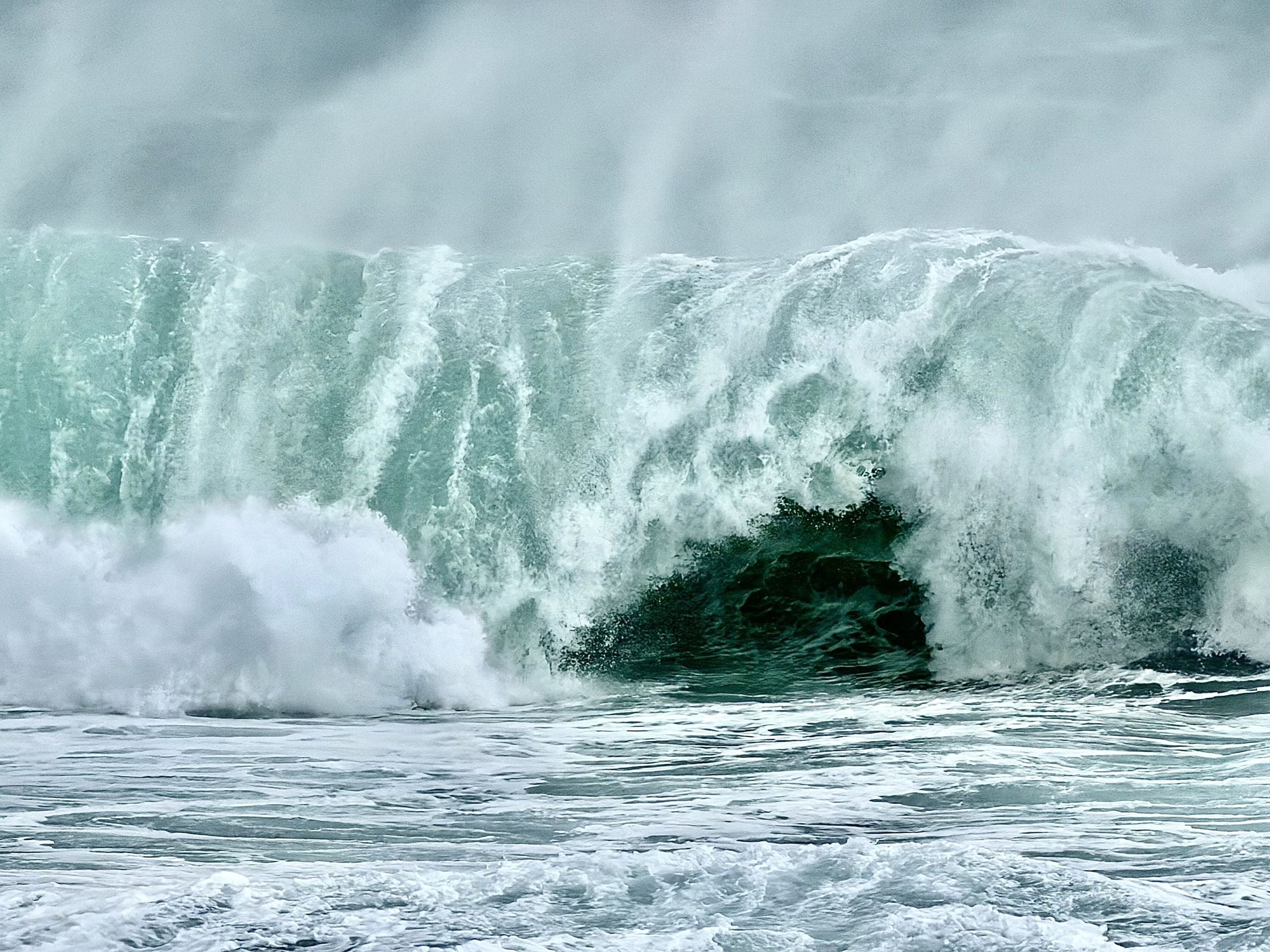




Cocaine pollution has sharks and salmon off the rails — and it's not their fault

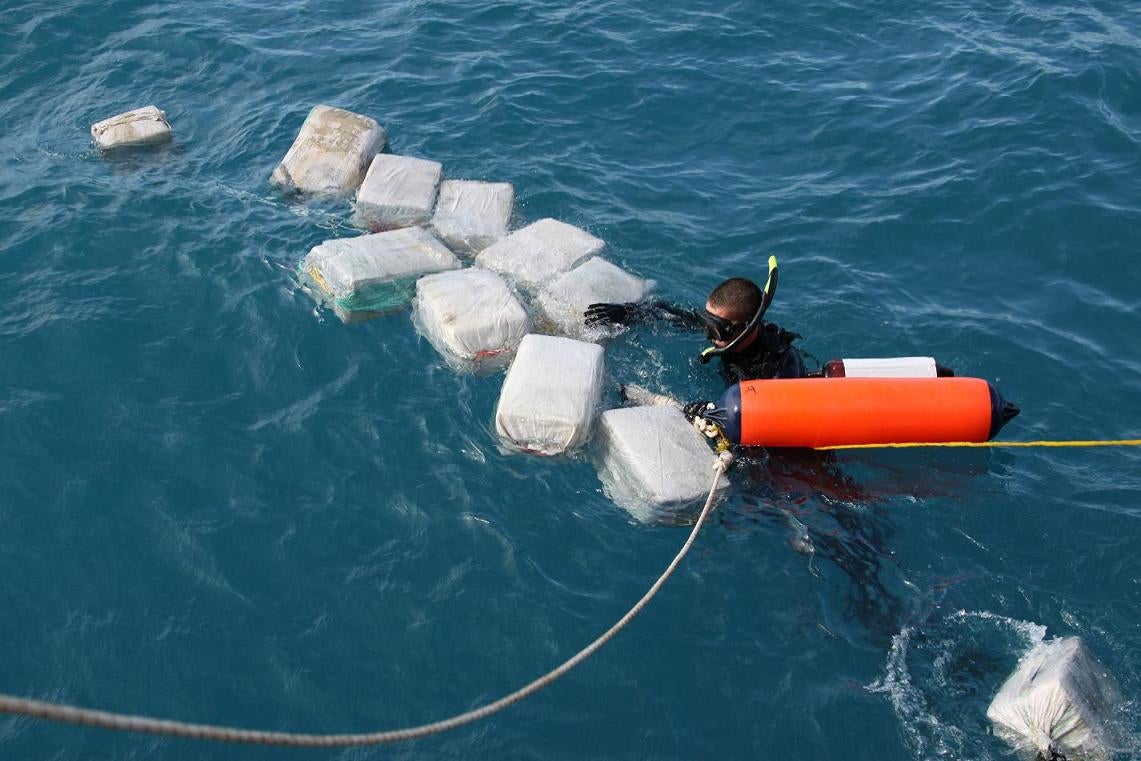
Pollution plagues the Earth in many forms – the most party-driven form being drug pollution – and new studies argue that fish can feel it, too.
The "party" pollution refers to drugs entering aquatic ecosystems after human use, where they can affect the fish that inhabit them— a reality now underscored by two recent studies.
SEE IT: '1 IN 50 MILLION' SPLIT-COLORED LOBSTER DONATED TO MASSACHUSETTS AQUARIUM IN RARE DISCOVERY
Two separate studies examined how drug pollution, including cocaine, affects sharks in the Bahamas and salmon in Sweden. The verdict is in: fish are "hooked," too.
A study published in Current Biology found that Atlantic salmon exposed to cocaine and its main metabolite swam further than their straight edge, cocaine-free counterparts.
The study, conducted in Sweden's Lake Vättern, used 105 tagged juvenile Atlantic salmon that were split into three groups: control (no drug), cocaine-exposed and benzoylecgonine-exposed.
FLORIDA FISHERMAN REELS IN $1.7 MILLION WORTH OF COCAINE OFF ATLANTIC OCEAN
Benzoylecgonine is the primary metabolite of cocaine, and is a common detector for detecting cocaine exposures in drug tests.
Using slow-release implants that mimic environmental exposure to the drug, and monitoring the movement of the fish – and the results are jaw-dropping.
The salmon exposed to the benzoylecgonine swam nearly twice as far per week than the clean salmon.
While the drug-free fish became more stationary over time, drug-exposed fish became more erratic, remaining more active and spread out.
NEW YORK RELAXES RESTRICTIONS FOR EATING SOME FISH IN THE HUDSON RIVER FOR FIRST TIME IN 50 YEARS
Exposed fish moved up to 12.3 km longer than the sober salmon from their release points.
Between the two, benzoylecgonine had more of an impact on the salmon than cocaine did, likely because the effects last longer, and it could have a stronger impact on energy metabolism and brain function, researchers said.
The study is a concrete example of how drug pollution directly impacts wildlife behavior in a natural body of water.
Salmon aren't the only swimmers making headlines in relation to illicit drug use – sharks are also off the deep end.
Drug pollution has fish riding the same high humans do – and while the fish are testing positive, the results are quite the opposite.
COCAINE CAT: ILLEGAL AFRICAN SERVAL TESTS POSITIVE FOR DRUG AFTER BEING RESCUED IN CINCINNATI
A 2026 study published in Environmental Pollution titled "Drugs in paradise: caffeine, cocaine, and painkillers detected in sharks from The Bahamas" found that sharks in the waters around Eleuthera Island in the Bahamas are carrying traces of human drugs.
From cocaine to common painkillers, the study found that some sharks in the Bahamas are headed down a bad path – and it's not their fault.
The study tested for drugs that find their way into natural bodies of water thanks to humans through wastewater, runoff and tourism-related pollution.
3 GRAY WHALES FOUND DEAD ON CALIFORNIA SHORELINE IN THE COURSE OF A WEEK
Researchers sampled 85 sharks across five species and discovered that 28 individuals (about one-third) had detectable levels of at least one of the drugs researched.
"This study did find that the sharks were impacted metabolically. Their metabolisms slow down when breaking down lipids, reproduction rates are likely slowed down and also, they use more energy to detoxify themselves," Environmental Engineer and Scientist Tracy Fanara said. "It is problematic, though we're not going to see sharks going crazy on cocaine."
The study’s findings underscore emerging pollution risks, showing that even trace levels of drug contamination can be detected in seemingly pristine ecosystems.
What's Your Reaction?
 Like
0
Like
0
 Dislike
0
Dislike
0
 Love
0
Love
0
 Funny
0
Funny
0
 Angry
0
Angry
0
 Sad
0
Sad
0
 Wow
0
Wow
0