
















Spring sting: Portuguese man o' war returns to Gulf Coast beaches

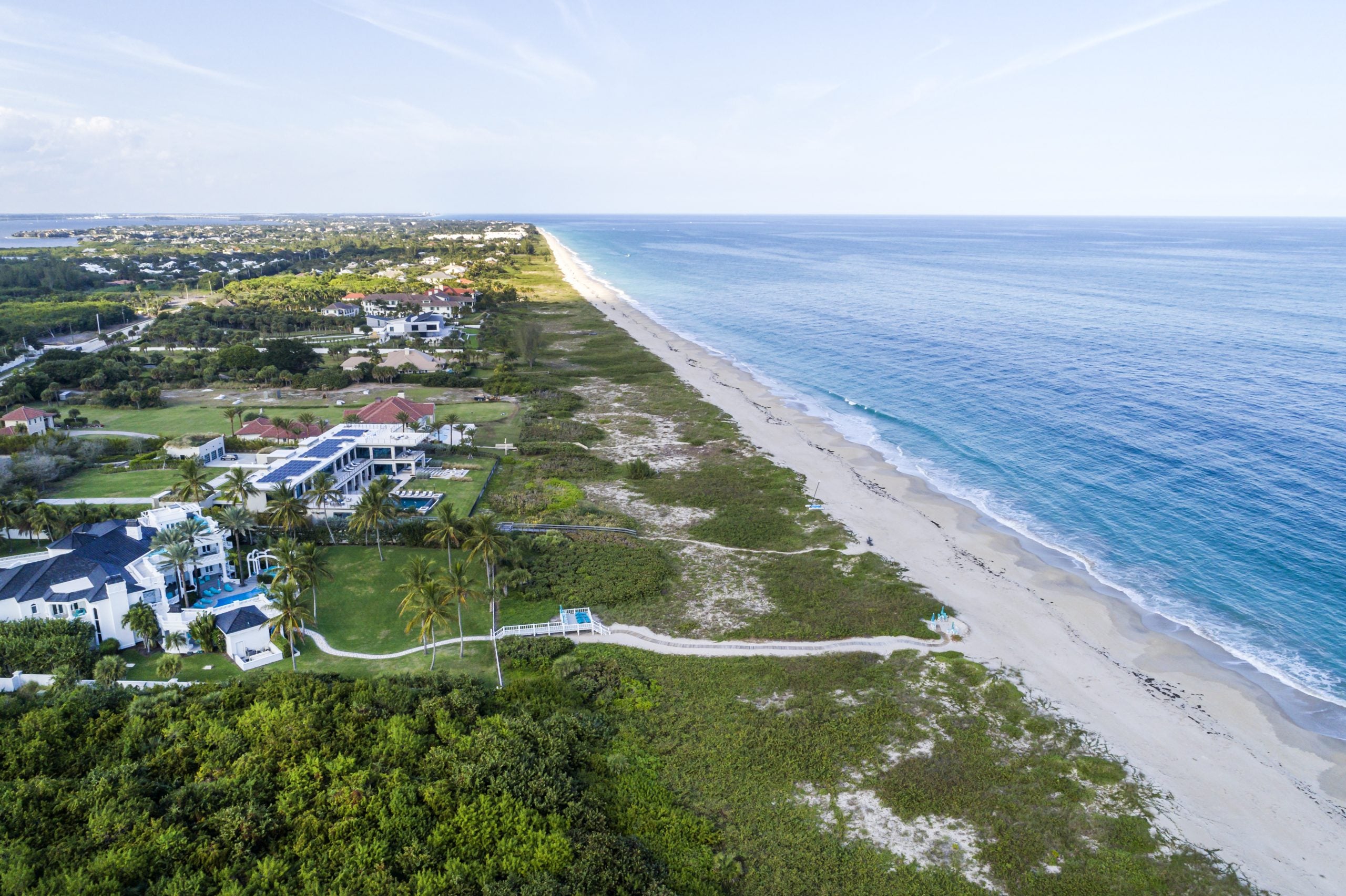
PENSACOLA BEACH, Flo. – The picturesque shores of the Gulf Coast have more than just visiting tourists lounging out on the beach this spring.
From Texas to Florida, the seasonal return of the venomous Portuguese man o' war is here, putting a sting on one Minnesota family's vacation.
SWIMMER DIES AMID HIGH RIP CURRENT RISK AS SPRING-BREAKERS FLOCK TO FLORIDA BEACHES
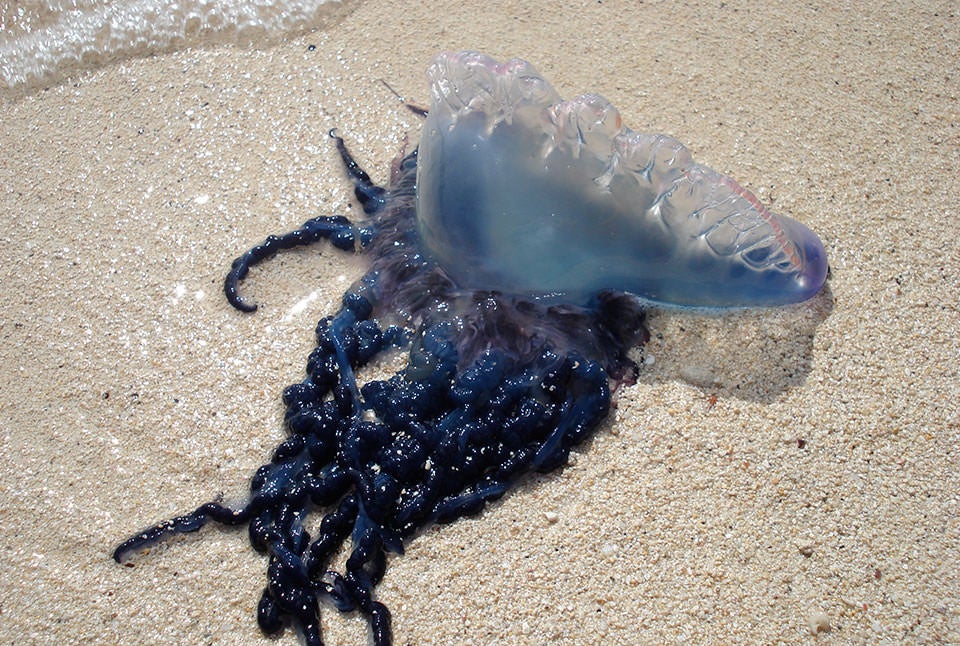
The Portuguese man o' war is a highly venomous species very closely related to a jellyfish that floats like a blue, violet or pink-colored balloon atop the ocean surface.
Though the dangerous sea creature might look inviting thanks to its intriguing color and innocuous shape, experts warn to keep your distance from a man o' war if you come across one.
As a species of siphonophore, the man o' war isn't quite a jellyfish, but it's threatening resemblance and dangerous presence has beachgoers in the Sunshine State and along the Gulf Coast on high-alert.
RIP CURRENTS: WHAT ARE THEY, HOW TO SPOT THEM AND HOW TO SAVE YOURSELF FROM ONE
The non-threatening, balloon-like "pneumatophore" that identifies a man o' war from above the ocean's surface isn't what swimmers should fear – it's what lurks below the surface.
Its long strands of venomous tentacles and polyps grow to an average of 10 meters (about 30 feet) and may extend by as much as 30 meters (about 100 feet) in the ocean water like a free-flowing mop.
These extremely dangerous tentacles contain stinging nematocystics, microscopic capsules loaded with coiled, barbed tubes that deliver venom capable of paralyzing and killing small fish and crustaceans.
HEROIC FATHER DROWNS AFTER RESCUING CHILDREN FROM DANGEROUS RIP CURRENT AT FLORIDA BEACH
The man o' war is mostly found in tropical subtropical seas, often ending up beached on Gulf Coast shores and even along the U.S. Southeast coast.
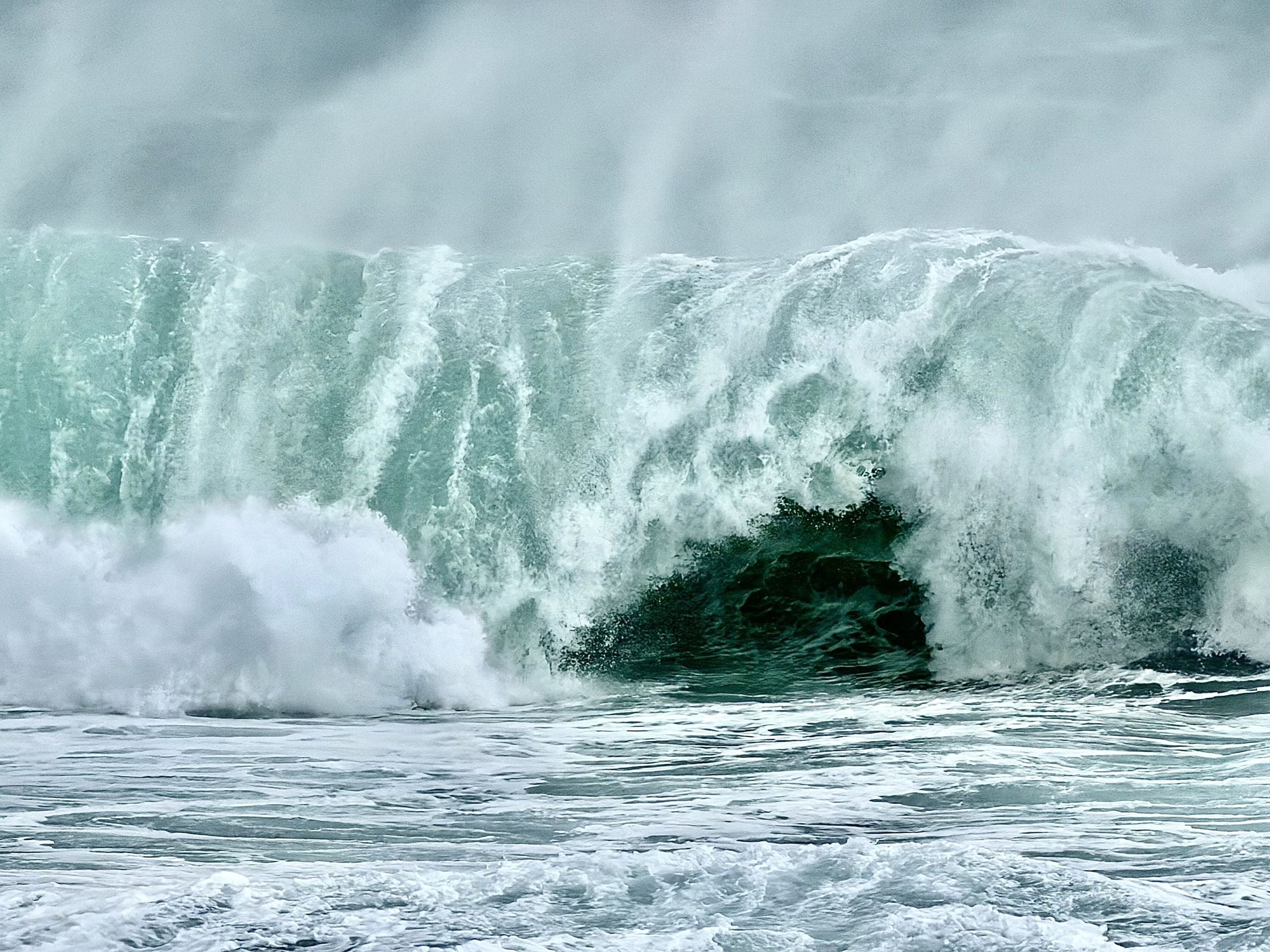
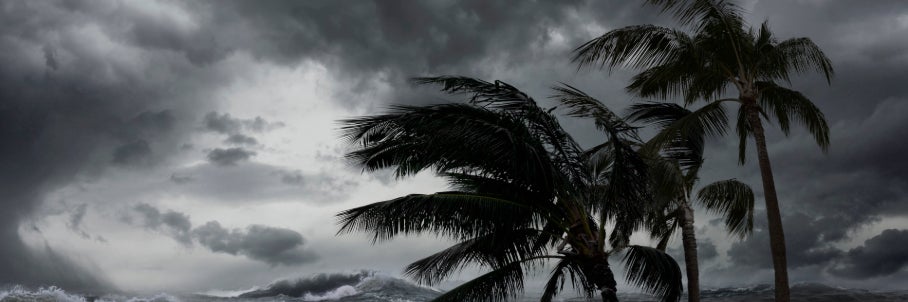
This week, Pensacola Beach lifeguards weren't just warning swimmers of dangerous rip currents. Purple flags, signifying stinging marine life, flew alongside red flags as the seasonal appearance of the Portuguese man o' war threatens both swimmers in the water and patrons on the beach.
The dangerous jellyfish-like sea creatures sit on the top of the water and are propelled by winds and ocean currents alone – sometimes floating in regions of 1,000 or more, according to the NOAA.
RECORD SARGASSUM LEVELS IMPACTING FLORIDA BEACHES DURING SPRING BREAK
The man o' war earned its distinct and unforgettable species name due to the creature's resemblance to an 18th-century Portuguese warship under full sail.
While the man o’ war’s sting is rarely deadly to people, it packs a painful punch and causes welts on exposed skin.
Officials urge beachgoers that come across a man o' war to avoid contact, but, in the event of a sting, to seek immediate medical attention.
This past week, Krysti Griffith and her family vacationed to Galveston Island, Texas, to temporarily withdraw from frigid Minnesota in search of warm weather and tranquil beach days along the Gulf.
Shortly after settling in on the beach, her young son Keegan made a curious discovery: a dried, colorful Portuguese man o’ war that was washed ashore. To 3-year-old Keegan, it looked more like a harmless beach treasure than a dangerous marine drifter—so, naturally, he picked it up, unaware of the powerful sting it later delivered.
"We didn’t know what it was at the time. We just knew that it looked like a dead jellyfish," Griffith said.
Roughly 30 seconds later, the sharp pain of the man o' war sting had Keegan shrieking in pain, and Griffith knew they were in trouble.
HERE'S WHY PEOPLE IN THE SUNSHINE STATE NEED TO BE ON ALERT DURING ALLIGATOR MATING SEASON
"There was a family at the beach, who I’m guessing lived in the area, and they looked at it and said that he needed to go to the ER right away," Griffith said.
The family rushed to the hospital, where doctors applied a "jellyfish paste" made up of vinegar, meat tenderizer and lidocaine, which Griffith said cured young Keegan's pain "right away."
Spring marks man o' war season for the Gulf Coast, but for the family visiting Galveston Island from out-of-state like many tourists this time of year, they didn't realize the danger until it was too late.
YOUNG GREAT WHITE SHARK SPOTTED OFF THE COAST OF THE FLORIDA PANHANDLE
"What stands out the most is how incredibly painful and scary they are. The doctor said they bring everyone to their knees in pain, and it can last hours [if not treated]," Griffith said. "They also blend in with weeds and are really hard to see in the water, so if you’re in an area where they are prevalent, you really have to be very careful."
Luckily, Keegan has made a full recovery since the incident and Griffith said he is, "back to his happy self."
For Gulf Coast locals, the arrival of the Portuguese man o’ war is a familiar sign of warmer weather. But for visitors like the Griffith family, the danger isn’t always obvious.
As Griffith noted, "People that aren’t from around the area would have no idea what to look out for."
If you’re planning a trip to the Gulf Coast this spring or in the near future, stay alert for man o’ war both along the shoreline and in the water.
What's Your Reaction?
 Like
0
Like
0
 Dislike
0
Dislike
0
 Love
0
Love
0
 Funny
0
Funny
0
 Angry
0
Angry
0
 Sad
0
Sad
0
 Wow
0
Wow
0