


















Orionid meteor shower to light up October skies with fiery cosmic display

THE TAKEAWAY
Skywatchers, get ready — one of the year's most beautiful meteor showers is back and set to light up the October night sky this week.
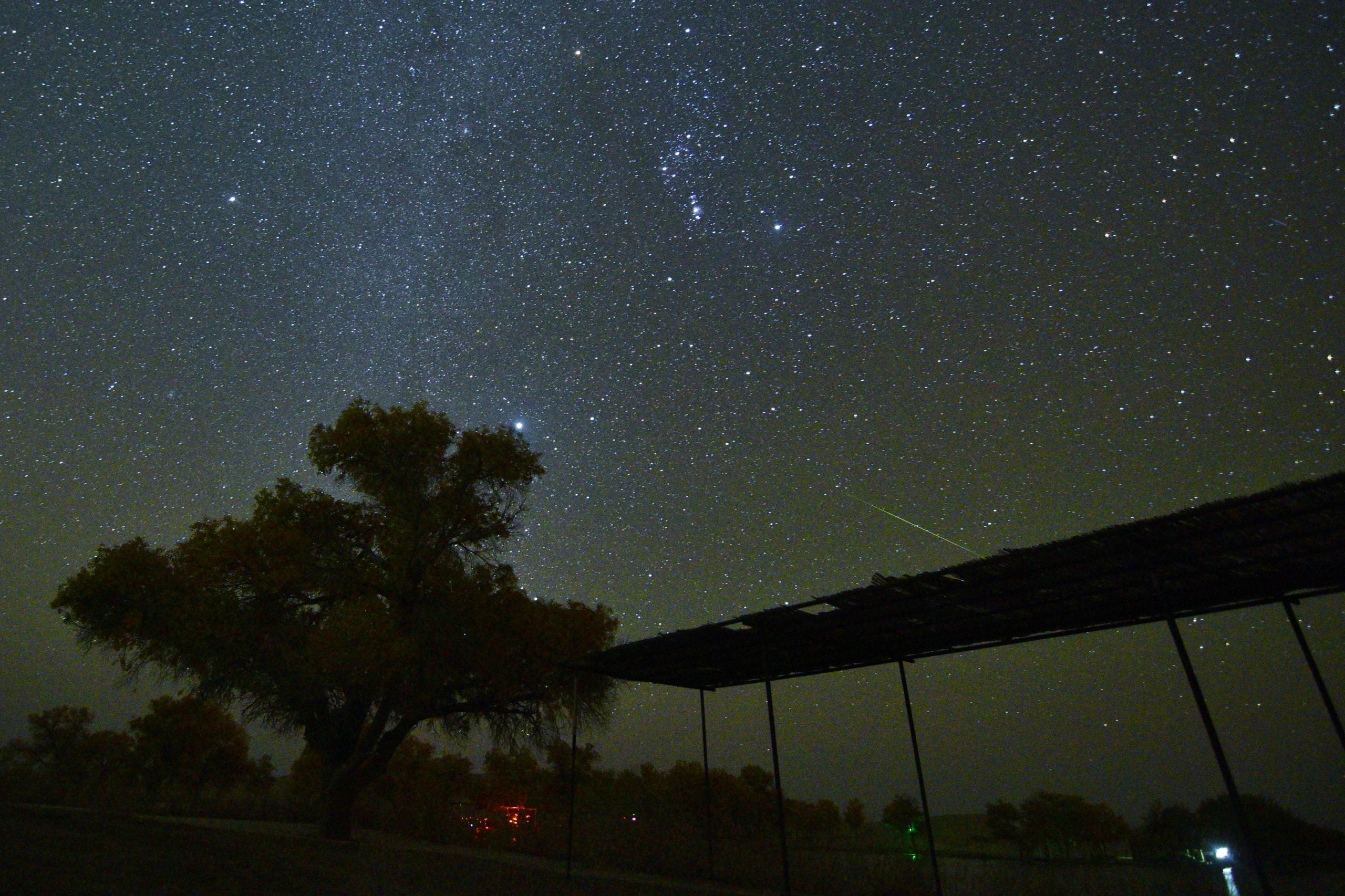
The Orionid meteor shower is expected to peak overnight from Oct. 21 to 22, delivering a spectacular display of shooting stars, according to NASA.
The meteors are known for their brightness and speed, traveling at about 41 miles per second as they enter Earth's atmosphere.
According to NASA, these fast-moving meteors can leave behind glowing "trains," incandescent bits of debris in the wake of the meteor. These glowing bits can last anywhere from several seconds to minutes.
Some Orionids can even become fireballs, producing exceptionally bright flashes of light in the night sky.
The Orionid meteor shower occurs every year when Earth passes through a trail of shredding debris left behind by 1p/Halley’s Comet.
During this time, the comet bits collide with the atmosphere and disintegrate, which creates fiery and colorful streaks in the sky.
'FIREBALL SEASON' EXPLAINED: WHY METEORS LIGHT UP SKIES ACROSS THE COUNTRY
Each time 1p/Halley's Comet returns to the inner solar system, its nucleus sheds ice and rocky dust into space. By October, the dust grains become the Orionids.
1p/Halley's Comet takes about 76 years to orbit the sun. It was last visible from Earth in 1986 and is expected to return in 2061.
NASA SCIENTIST DISCOVERS LARGEST, NEWLY FORMED 'ONCE-IN-A-CENTURY' MOON CRATER AFTER ASTEROID IMPACT
The Orionids will be viewable from both the northern and southern hemispheres after midnight.
For the best viewing experience, experts recommend heading to a dark location away from city lights and streetlamps.
Lie flat on your back with your feet pointing southeast if you're in the Northern Hemisphere, or northeast if you're in the Southern Hemisphere, and look up to take in as much of the sky as possible.
SOLAR VS. LUNAR: WHICH ECLIPSE GIVES YOU THE BEST CHANCE OF SEEING IT?
Allow your eyes 20 to 30 minutes to adjust to the darkness, and soon you will be treated to a spectacular celestial show.
What's Your Reaction?
 Like
0
 Dislike
0
 Love
0
 Funny
0
 Angry
0
 Sad
0
 Wow
0